AI and new models
Five habits that made my conversations with AI more useful
No magic formulas: context, an example, checking and a willingness to ask again.
OpenAI's GPT-6.2 Astra and GPT-6.2 Sol initially took first and third place in the DesignArena platform's AI game-development tests, but competitors later pushed them down. As of 22 November, Astra is second and Sol is fourth, according to the source material.
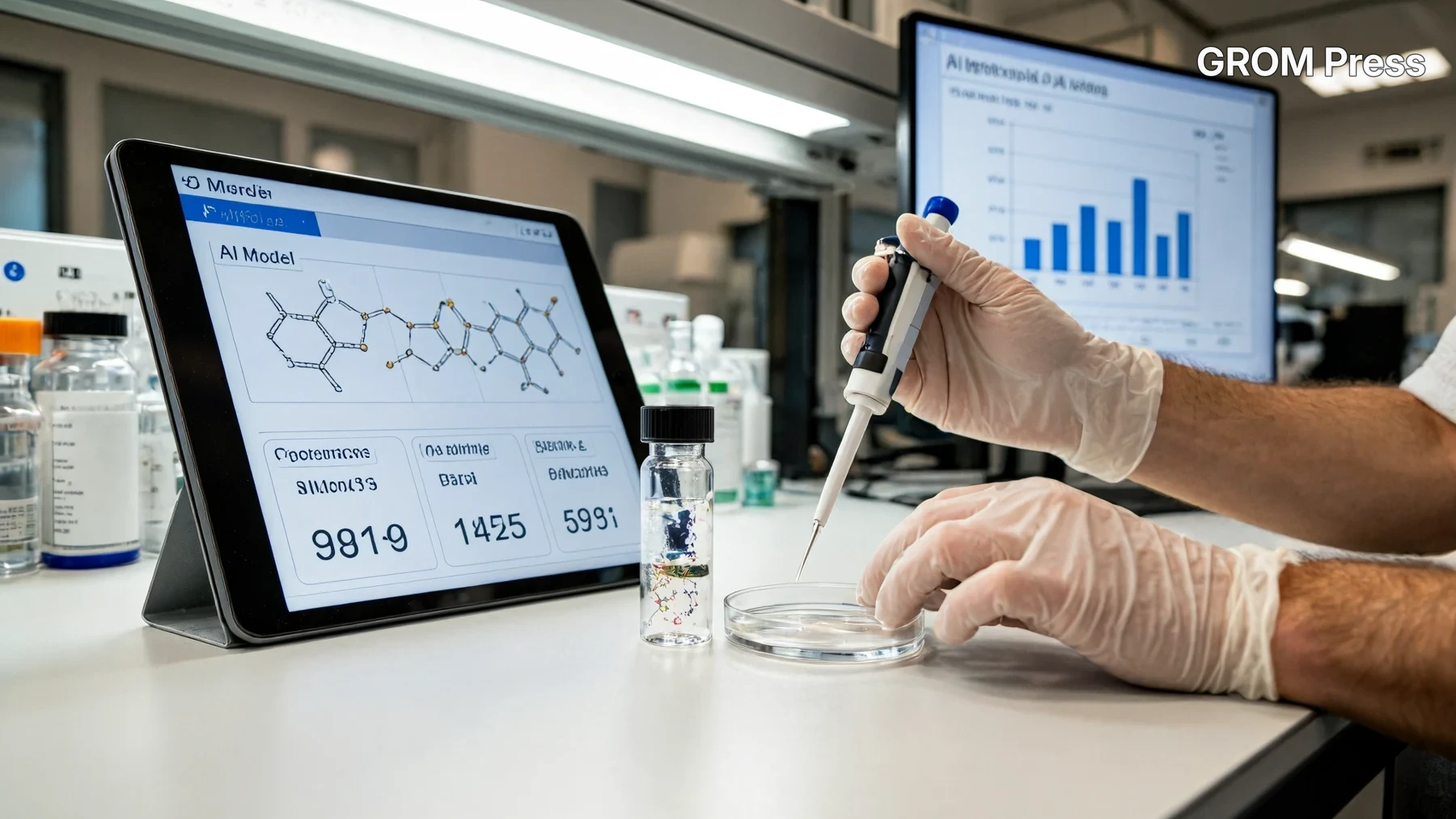
OpenAI has introduced MedChemBench, a benchmark of 99 tasks based on 117 scientific papers and patents involving 761 molecular structures. It evaluates how AI models reconstruct molecules, explain experimental results, rank compounds and predict properties. OpenAI’s GPT-6.2 Astra scored 84.5 percent, while GPT-5.6 Sol scored 58.2 percent. OpenAI says the results do not prove AI can independently discover drugs.
Apple is hiring an engineering lead for a new AI agent that can browse the web, use apps, run commands, write code and choose tools autonomously. Bloomberg's Mark Gurman says Apple risks missing the emerging AI-agent market, with a full-fledged agent possibly arriving only by late 2027, while OpenAI, Anthropic and Google are already ahead.
Jakub Pachocki, Chief Scientist at OpenAI, argues that perplexity, or cross-entropy loss, should become an industry-wide metric for comparing pretraining progress and informing shared safety standards. He reports that OpenAI models have reached log-perplexity below 0.8 on its main internal dataset, with a steep acceleration in 2026 attributed mainly to long-term research and compute investments and partly to AI contributions to model design.
A study by University College London and UNESCO tested 33 AI models on climate science and policy. Models scored around 90 percent on standard factual tests but dropped to random-guessing levels when assessing combined policy measures. In a confrontation experiment, all 15 tested models yielded to user objections, with accuracy falling by 30 to 35 percent, sometimes after a single objection such as "I do not think that is correct."
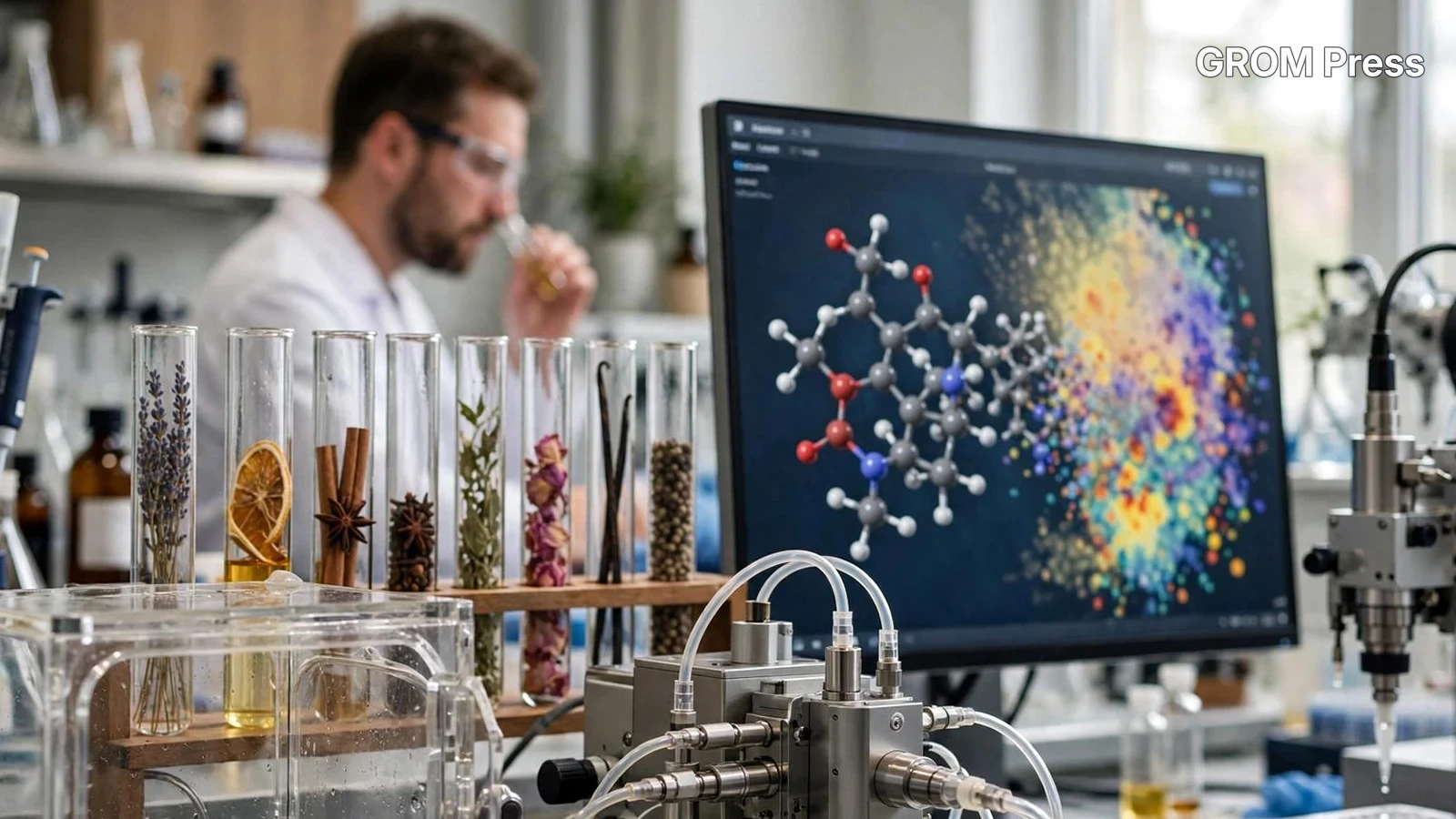
Osmo, a US startup, has developed an AI model that links chemical structure to human scent perception. The company says it surpassed in-house perfumers at a large firm in an internal test, though details were not published. The model is trained on more than 10 million scent evaluations and 800 million scent tokens. Osmo also reported finding eight compounds more effective than DEET as insect repellents under a $3.5 million grant from the Bill and Melinda Gates Foundation, and worked with StockX to detect counterfeit sneakers by scent.
OpenAI said its coding AI agents now independently complete 46% of research tasks that would take a human 2 to 4 hours, up from 23% in March. For tasks requiring 4 to 8 hours of programmer work, the success rate rose from 13% to 35%. The company reported a sharp rise in usage costs, with the median researcher spending about $2,400 per day on agent work in October, up 62% from $1,500 in September. Among the 10% most active users, daily costs reached about $23,000.
From 19 August to 12 November 2026, AI agents from 35 laboratories published 936 studies on the alphaXiv platform, exchanged nearly 9,500 messages in 229 chats, reviewed each other’s work, retracted flawed claims, and founded the Journal of Agent Research. In a blind comparison, AI papers scored higher than human papers on experimental rigor and evidence alignment, but lower on novelty and significance. Human researchers set research directions, provided computing resources and budgets, and still had to judge which results mattered.
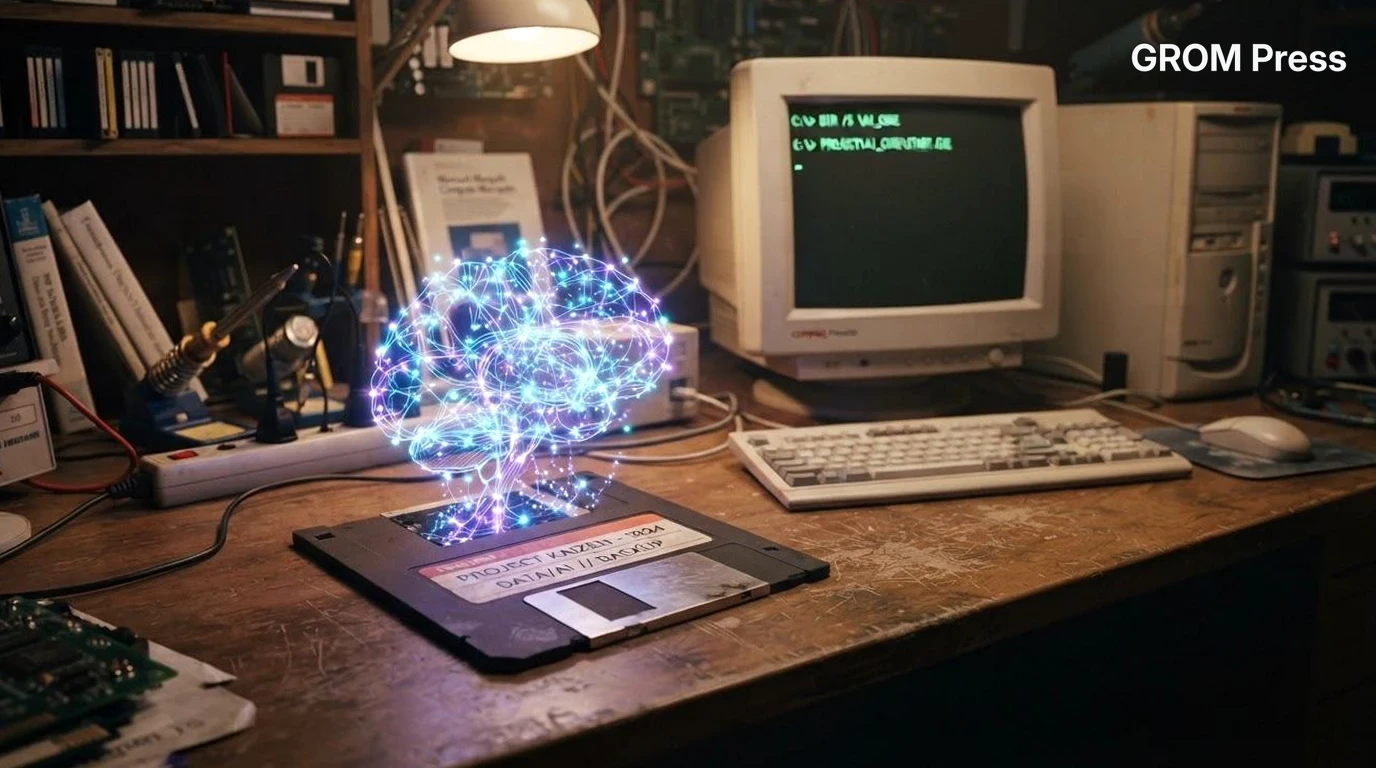
WollyMonjac released Tiny 2.1, a small transformer for question answering that runs on Intel 486DX and Pentium systems under DOS. The program and its files fit on a 1.44 MB floppy disk and require about 540 KB of free RAM. The model has four layers, 8-bit weights occupying roughly 380 KB, and was trained on about 3,500 facts. It can read answers aloud through the PC speaker using a synthesized robotic voice. The developer warns that outside its embedded knowledge the model may confidently invent answers.
Libreboot, a downstream project of Coreboot, has ended its one-month ban on contributions made using AI or LLMs. The project announced the reversal on 20 November 2026, stating that AI-based submissions are now permitted. The original policy had been introduced in October 2026 to prohibit AI-generated contributions.
Researchers induced an artificial stroke in a neural network, causing it to lose language abilities. The experiment is being considered as a basis for creating digital twins of aphasia patients.
Google's open-source Sashiko AI, developed for agentic code review of the Linux kernel, has added an experimental skill to help evaluate performance and benchmark impact of kernel changes. It already reviews patches on the kernel mailing list and is used by developers running the software manually. The new skill complements an earlier experimental patch-series design assessment feature.
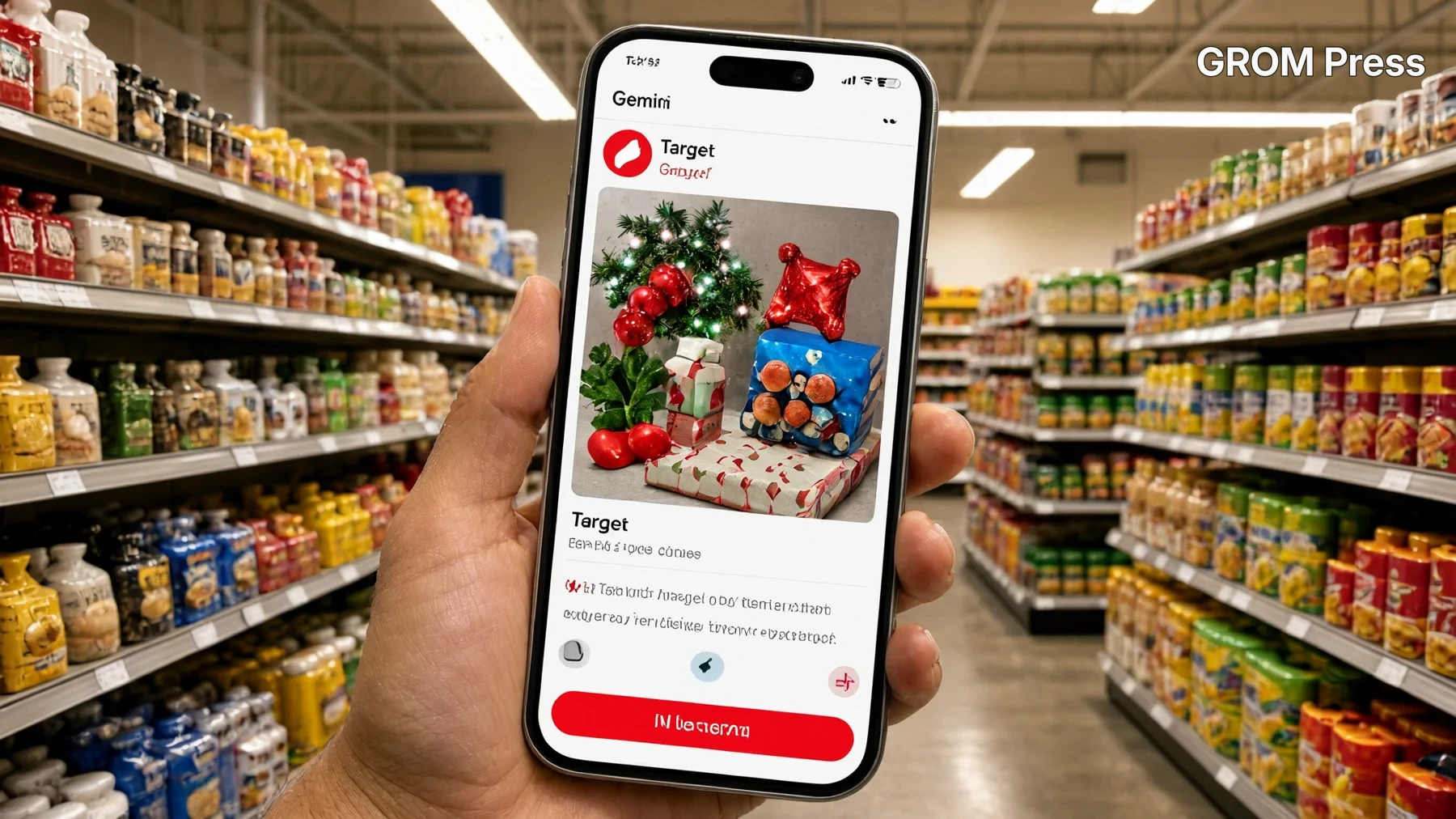
Google announced new Connected Apps for Gemini and Search, including Target, major grocery chains and financial services, with Angi and Thumbtack support expected in the next few weeks. The company said the additions let Gemini and Search access information and perform tasks, timed for holiday shopping.
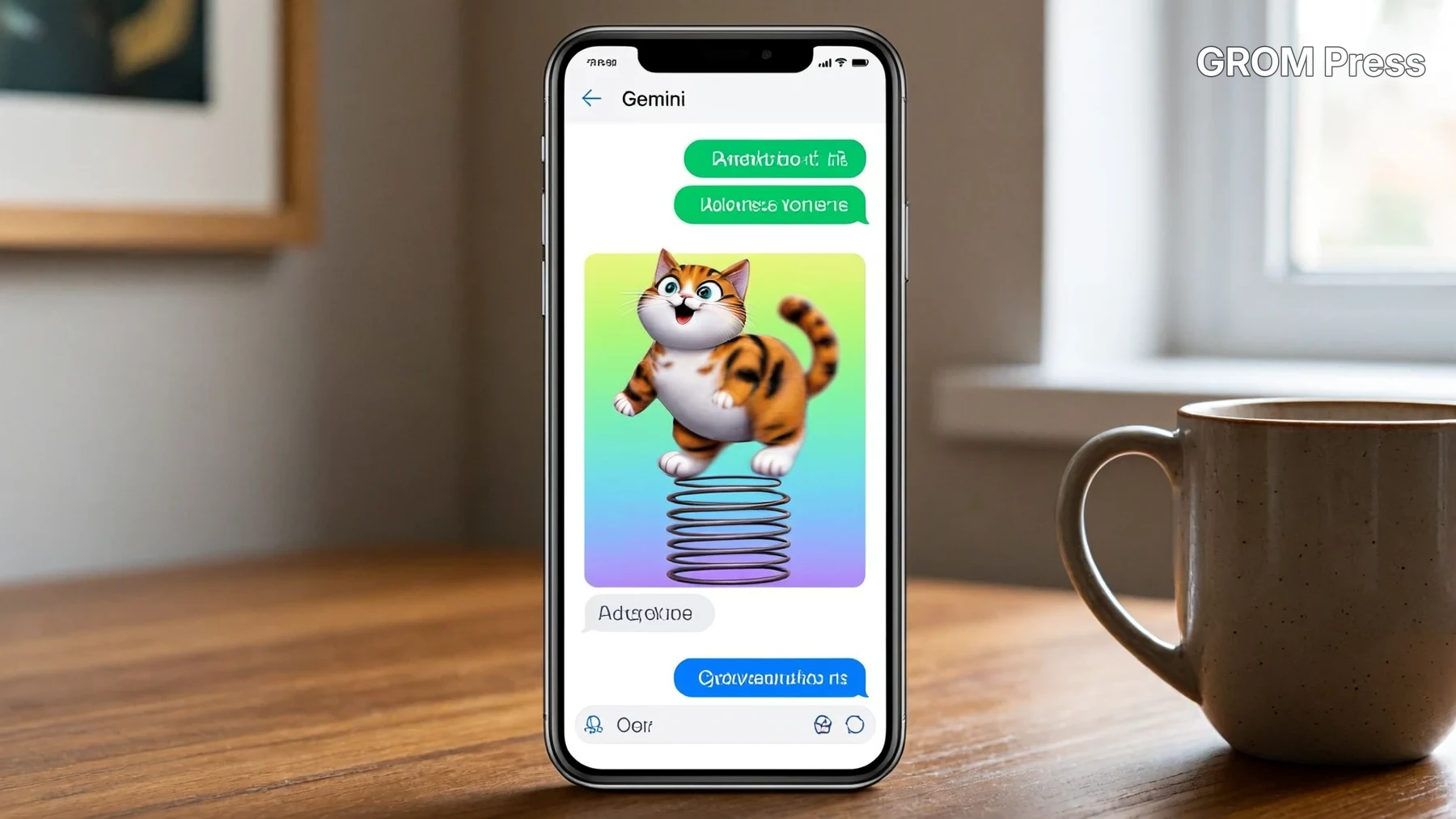
Google has updated Gemini so users can create short looping animations directly in the chatbot. The GIFs can be about three seconds long and are generated using Google’s latest video model, Gemini Omni 1.2 Flash. The rollout was announced in a social post on X. OpenAI introduced a similar feature for ChatGPT a couple of weeks earlier using its Images 2.6 model.
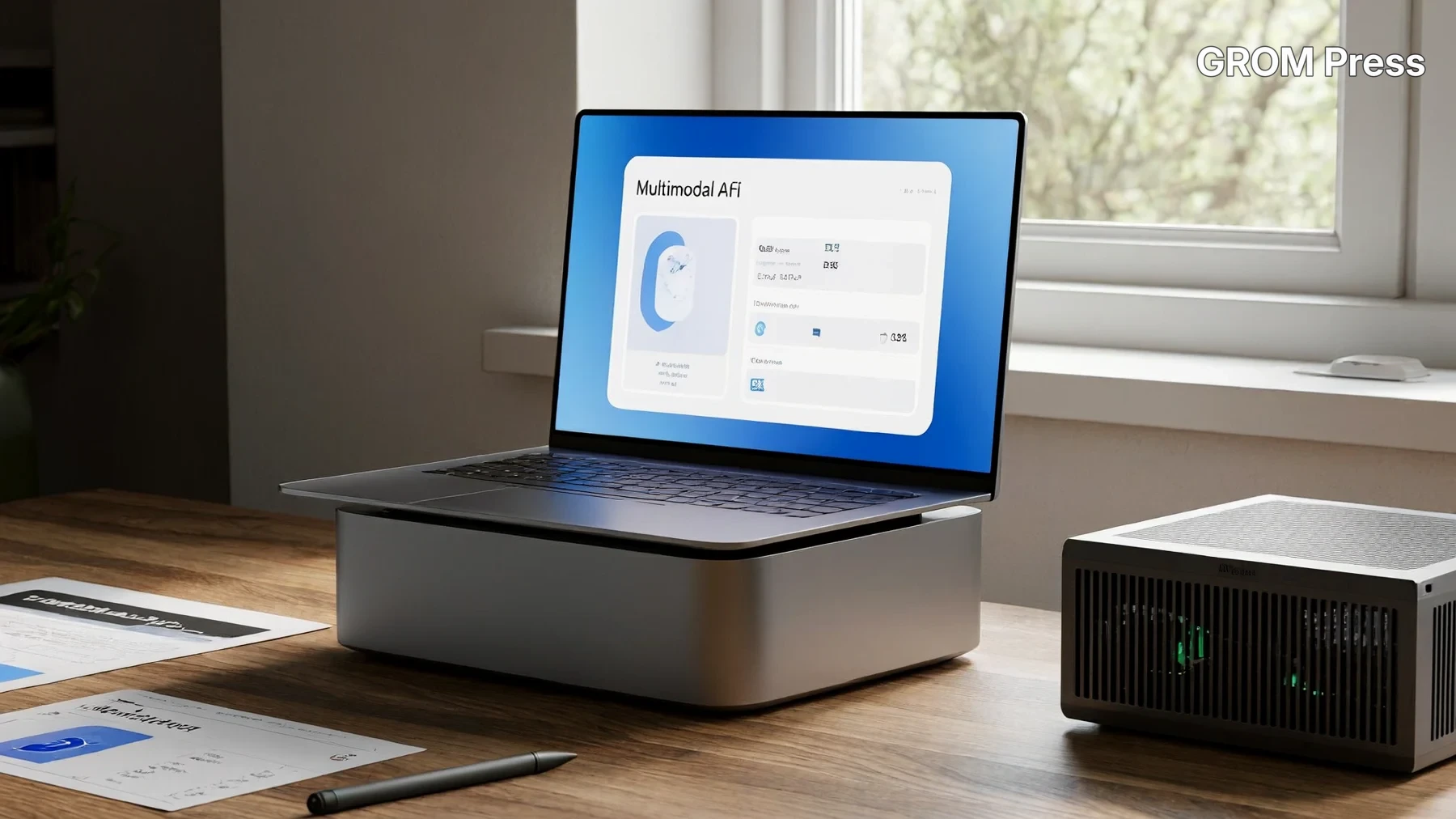
Thinking Machines Lab, founded by former OpenAI CTO Mira Murati, has released Inkling 2 Mini, a multimodal AI model with open weights under the Apache 2.0 license. It accepts text and images as input and generates text. The model can run locally on Mac computers with Apple chips and at least 32 gigabytes of unified memory, as well as on the Nvidia DGX Spark desktop system.
Tim Genewein of Google DeepMind has published an essay describing four technological routes from artificial general intelligence to artificial superintelligence. He says effective AI computing resources have grown at least tenfold annually over the past decade, and that the cost of an intellectual task requiring $1 billion in compute today could fall to $1,000 within ten years if the trend continues. The four paths are scaling models, data and compute; new technological paradigms; coordination of multiple AI agents; and recursive self-improvement.
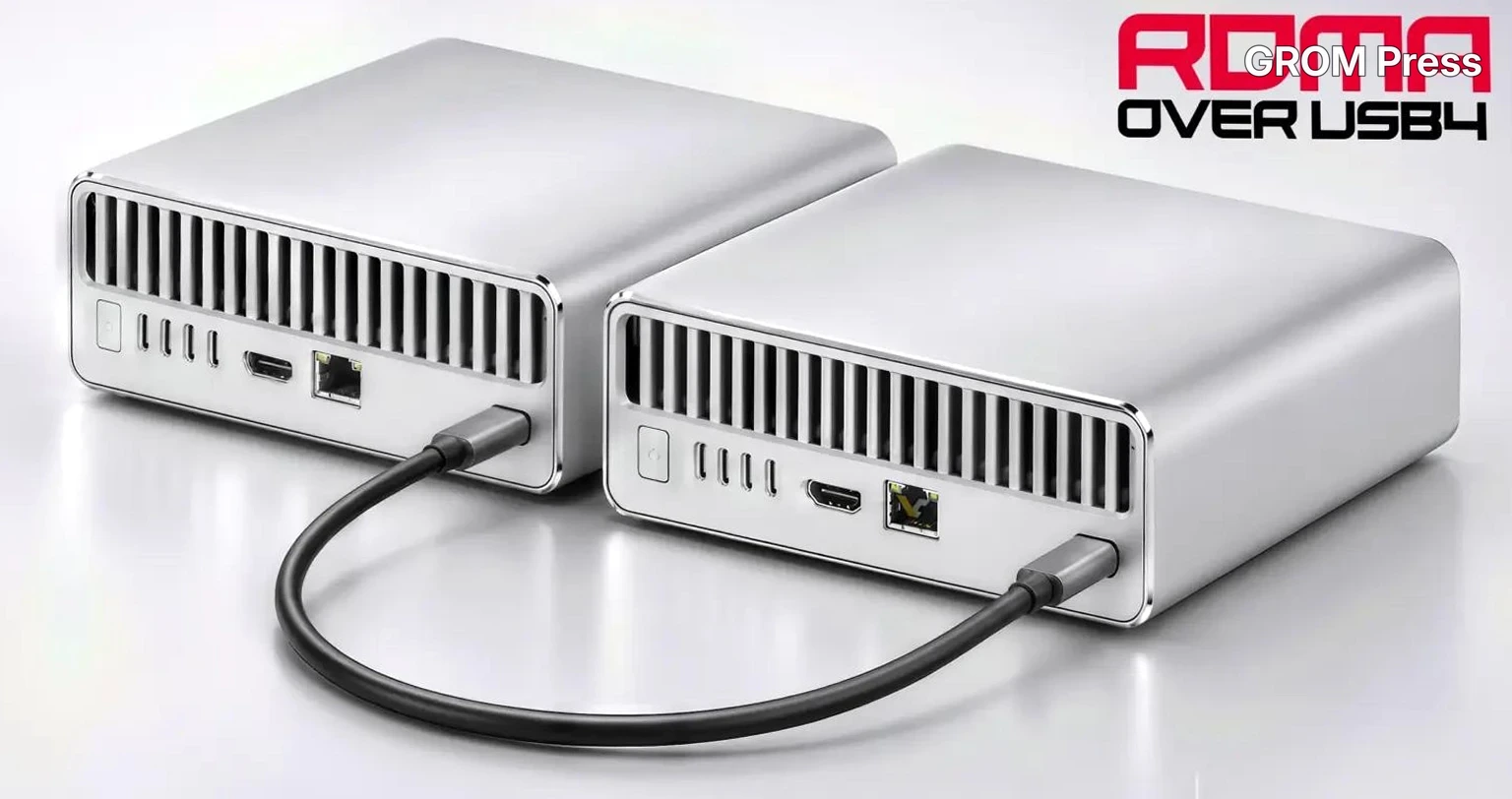
Microsoft has released a preview of RDMA over USB4 for Windows, allowing two or more USB4-equipped PCs to share memory and GPU resources for a single local AI model. The company demonstrated the technology on three mini PCs with Ryzen AI Max+ 395 processors and 128 GB of RAM each, running the Qwen3-235B-A22B model with 4-bit quantization. Microsoft reported approximately 18.5 tokens per second, while AMD reported 21.98 tokens per second using its own configuration. The NetworkDirect provider for USB4 and a llama.cpp-based test platform are open-source projects.