Google DeepMind researcher outlines four paths from AGI to superintelligence
Tim Genewein of Google DeepMind has published an essay describing four technological routes from artificial general intelligence to artificial superintelligence. He says effective AI computing resources have grown at least tenfold annually over the past decade, and that the cost of an intellectual task requiring $1 billion in compute today could fall to $1,000 within ten years if the trend continues. The four paths are scaling models, data and compute; new technological paradigms; coordination of multiple AI agents; and recursive self-improvement.
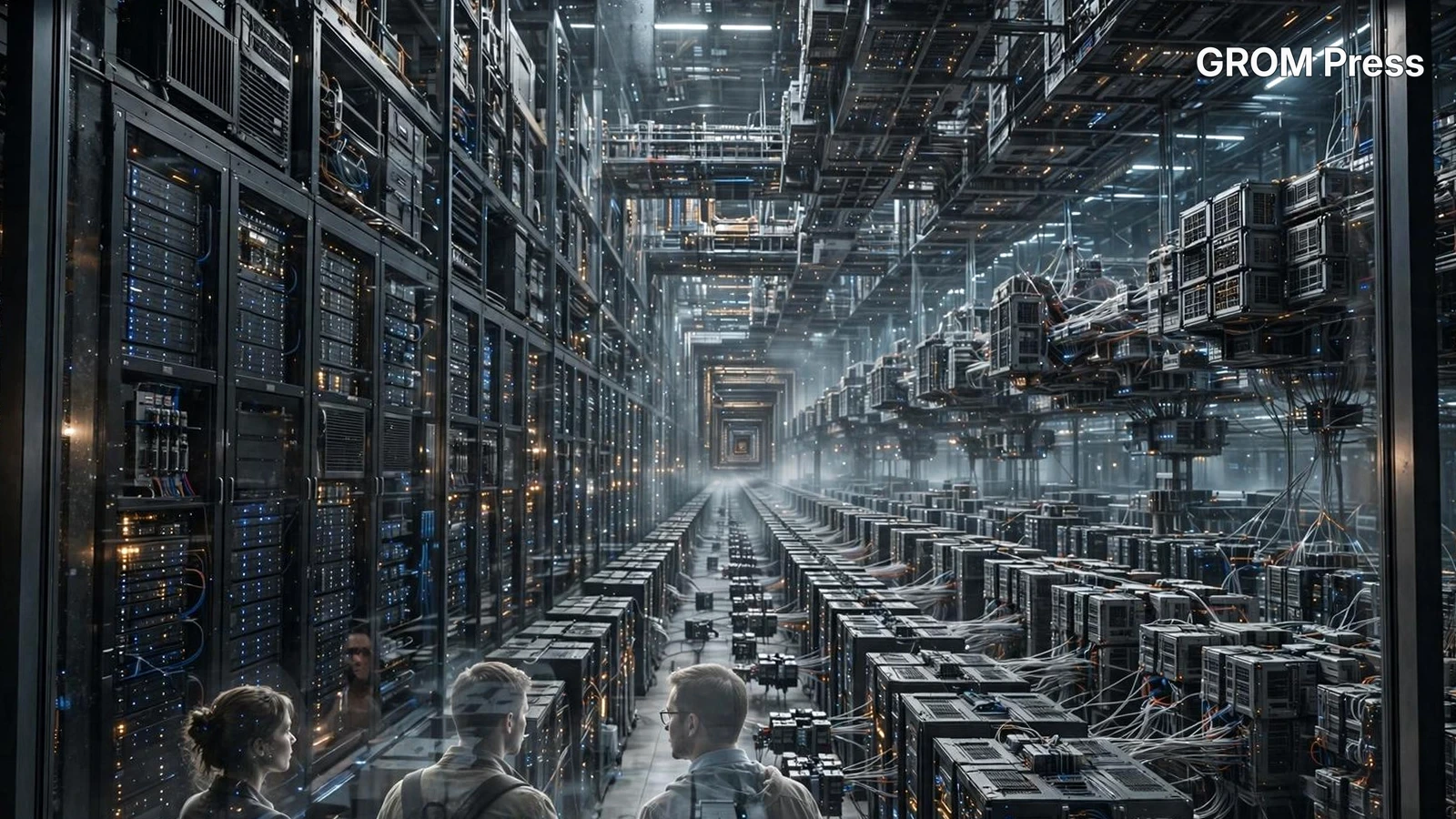
Tim Genewein of Google DeepMind published an essay on possible paths from artificial general intelligence to artificial superintelligence. He defines superintelligence as a system that can reliably outperform large groups of specialists in tasks that take people years to complete.
Genewein identifies cognitive industrialization as one factor behind the transition. He says effective AI computing resources have increased at least tenfold every year over the past decade, driven by hardware improvements, algorithmic efficiency gains and growing investment in AI equipment. Compute per dollar rose about 1.5 times annually due to chip manufacturing advances, while training algorithm efficiency grew 3 to 6 times per year over the last decade. If the trend continues, an intellectual task requiring $1 billion in compute today could cost $1,000 in ten years. The number of AI agents of comparable quality that could be run with available compute could theoretically exceed Earth’s current population. A more cautious estimate, accounting for physical and economic constraints, puts the total number of available agents at more than 1,000 times higher by 2030 and more than a billion times higher over a decade.
The essay outlines four technological paths from AGI to superintelligence. The first is further scaling of model size, training data and inference compute. Genewein notes this approach has already improved AI capabilities but faces shortages of high-quality data, diminishing returns from larger models and physical infrastructure limits.
Read the full story on GROM.PRESS
Source: GROM.PRESS