Space
How to see the Milky Way with your own eyes
You do not need a telescope. You need a dark place, a moonless night and half an hour of patience.
Astronomers have reported the discovery of hundreds of objects in a region of the Universe previously described as a blind zone, where such objects had long gone unnoticed. The report does not specify the nature of the objects, the detection method, the date of the discovery, or the researchers involved. A separate mention of NASA’s COSI mission appears without any stated connection to the discovery, timing, or purpose.
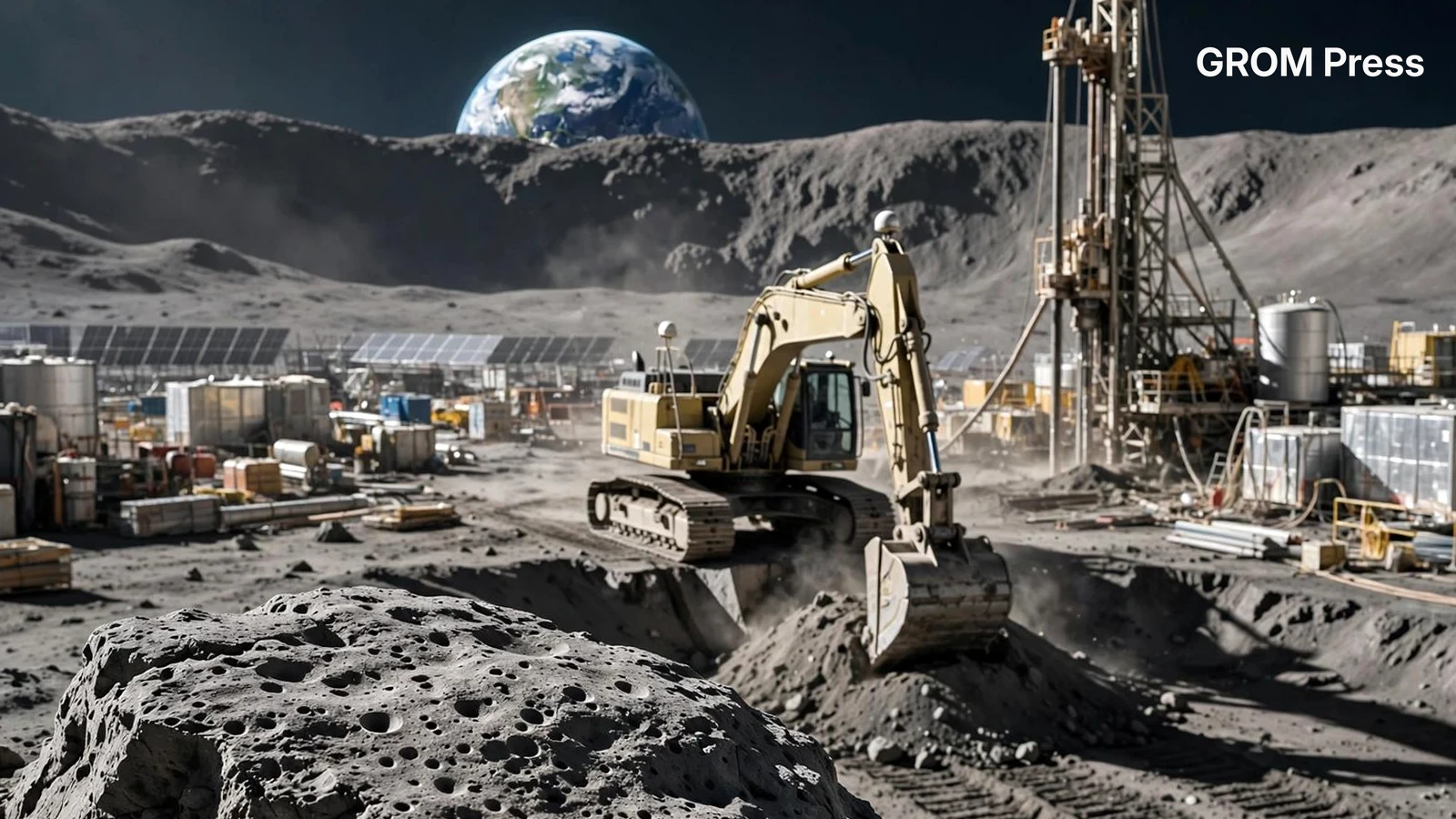
Florian Rabitz of Vilnius University and Xiao-Shan Yap of Utrecht University have called for a temporary halt to industrial lunar resource extraction until binding international rules are established. Writing in Global Environmental Politics, they warn that rapid infrastructure construction and mining could cause irreversible damage to the lunar environment, destroy scientifically valuable materials, and allow a small group of powerful states and their allies to establish de facto control over parts of the Moon.
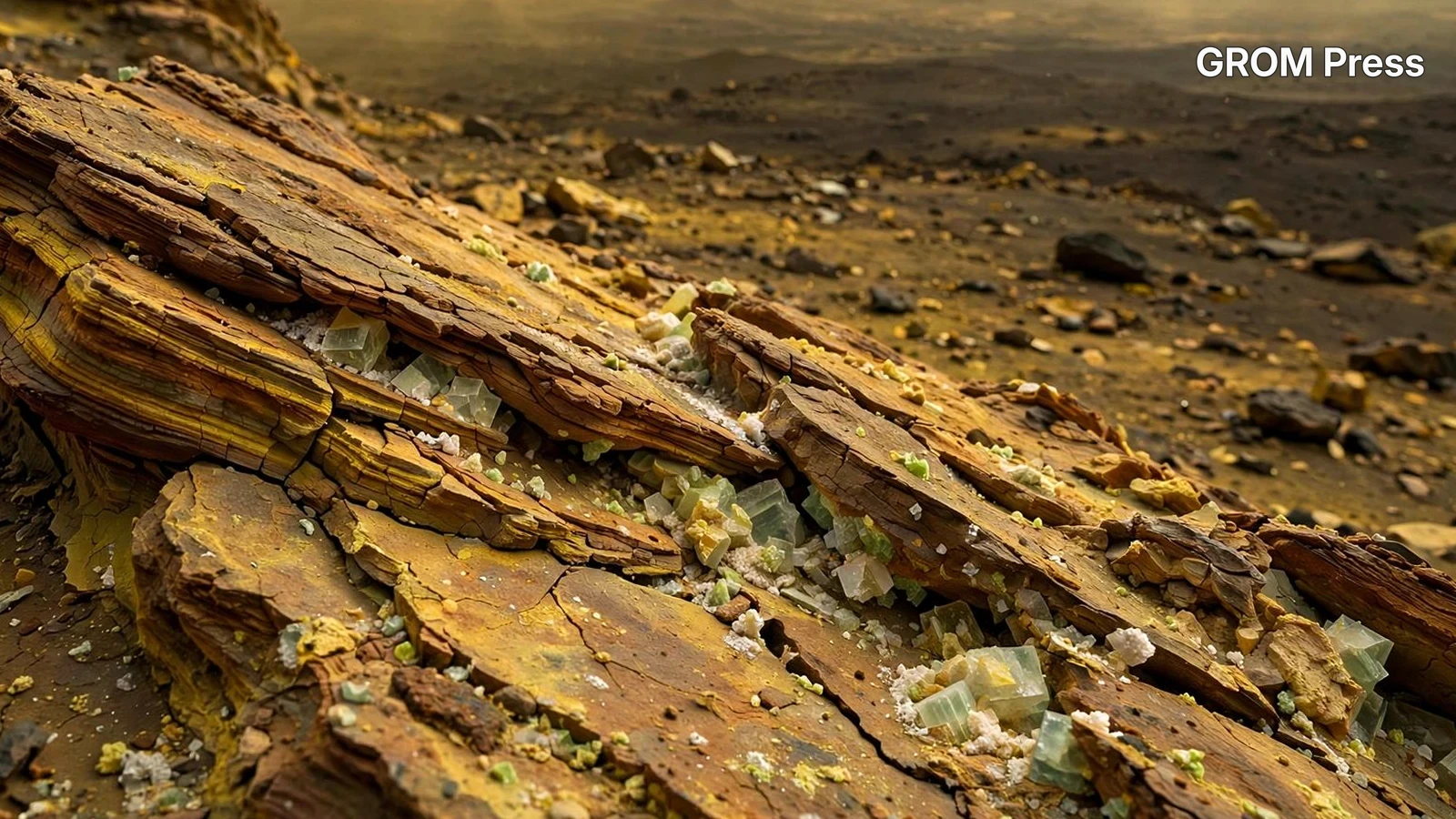
NASA's Glenn Extreme Environment Rig exposed six rock-forming minerals to Venus-like conditions for 60 days. Fluorine-bearing micas formed from hydroxyl-rich micas and may survive surface temperatures, while brucite converted partly to magnesite. Sulfur-bearing layers formed on all samples. The findings could guide NASA DAVINCI, VERITAS and ESA EnVision missions, but do not prove that Venus once had water.
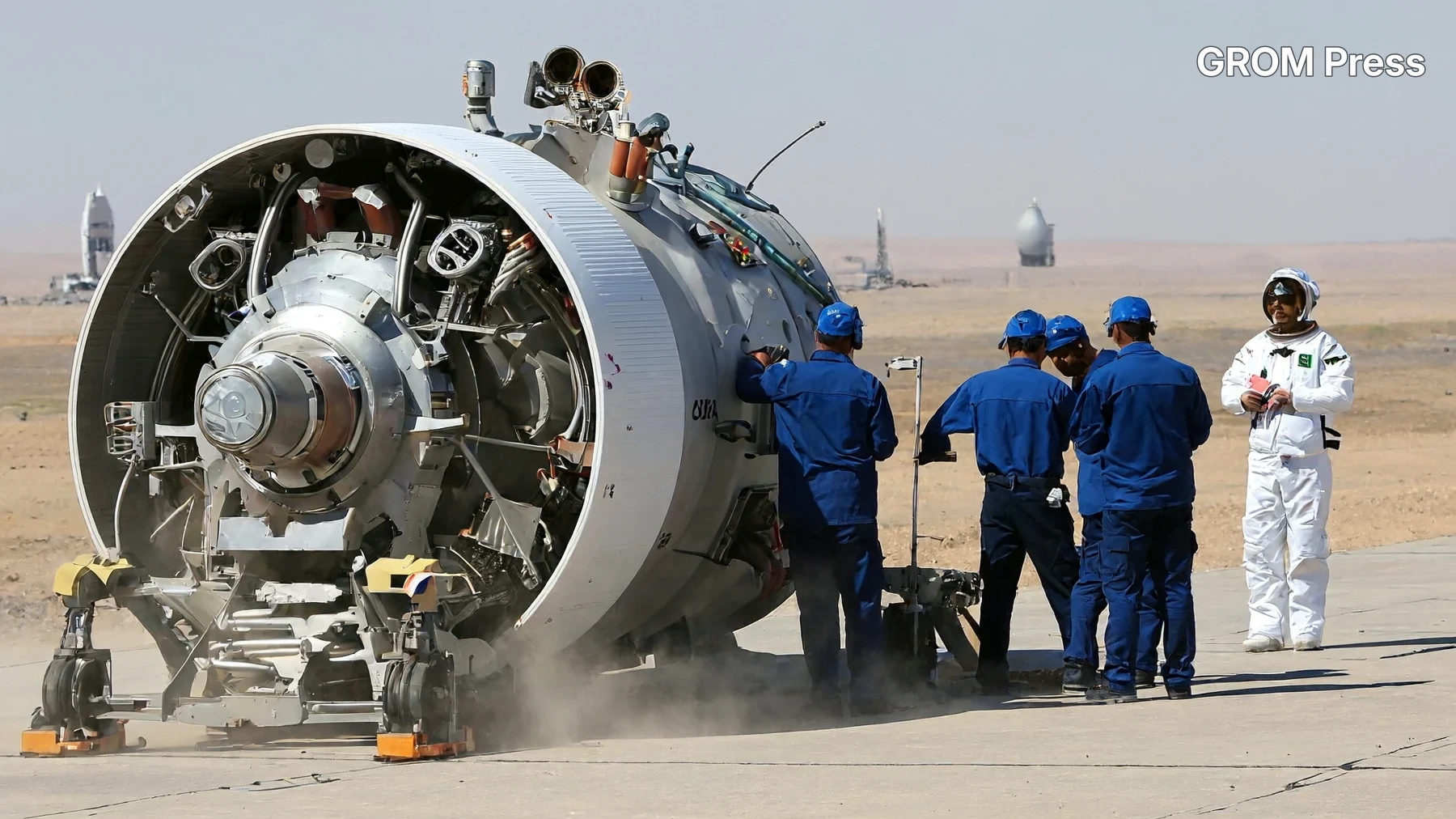
China has completed the final full-scale rehearsal for the Shenzhou-24 crewed mission, which will carry the first foreign astronaut in the history of its human spaceflight programme. The spacecraft and Long March 2F rocket were moved to the launch pad on 17 November. The launch date has not been announced. The Pakistani astronaut will travel to the Tiangong space station as a payload specialist and return on Shenzhou-23 after a short stay.
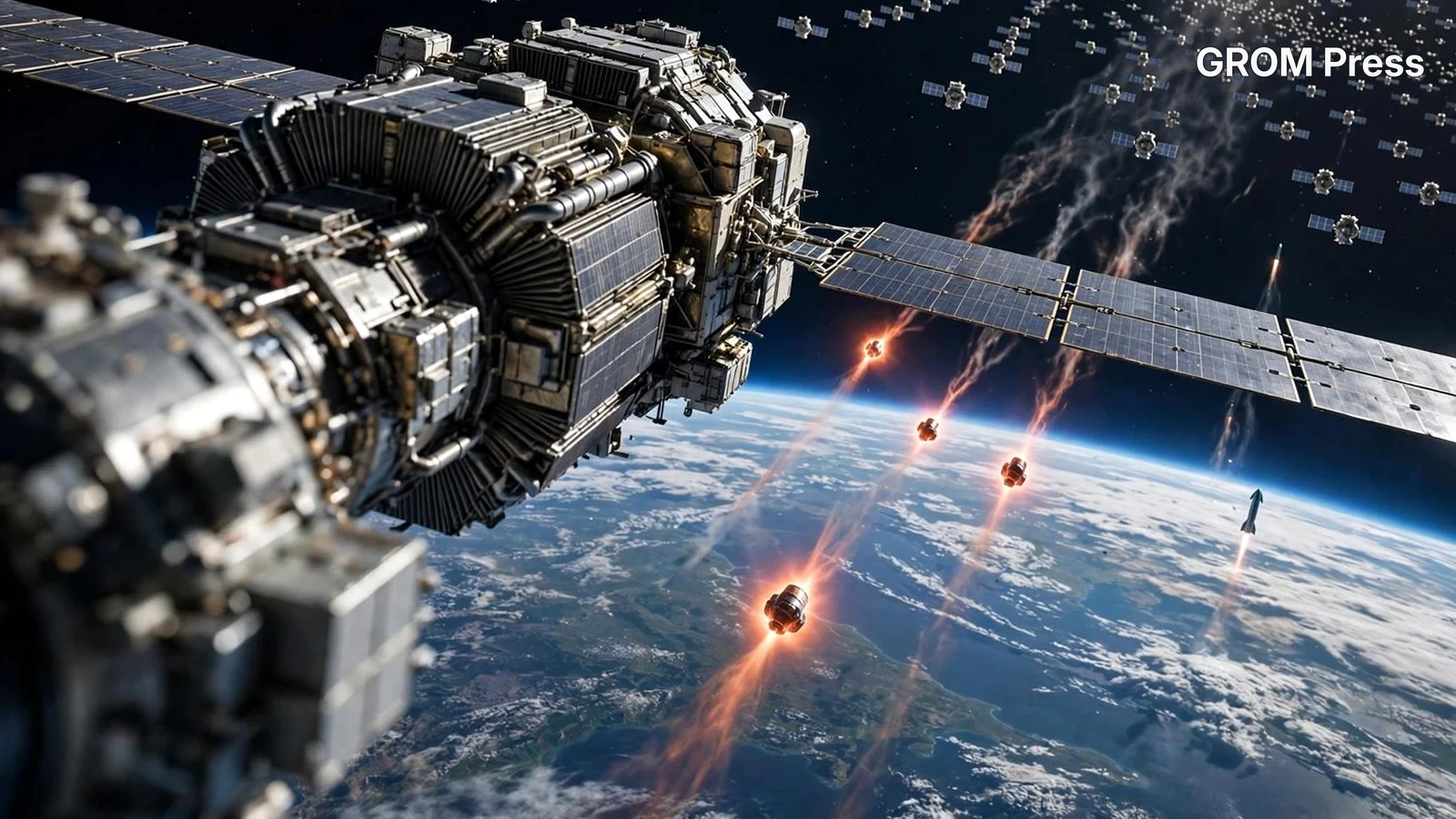
An international team of researchers from the University of Wisconsin and Princeton University modeled a one-megaton nuclear detonation at 500 kilometers altitude over the South Atlantic. Their simulation, based on real satellite positions as of January 2026, found that 98 percent of 13,306 modeled active satellites would become inoperative within seven days. Failures would rise from about 2.9 percent immediately after the explosion to 25 percent after one day and 78 percent after three days.
Researchers from University College London estimate that deploying a proposed SpaceX constellation of one million orbital data centres would require at least 5,000 Starship launches per year, about 14 daily. Launch emissions could rise 70-150 times above current levels, while the mass of spacecraft returning to the atmosphere could increase 200-280 times. Scientists say the impact on upper atmospheric chemistry and the ozone layer remains uncertain because SpaceX has not disclosed satellite materials, burn-up rates, or Starship nitrogen oxide parameters.
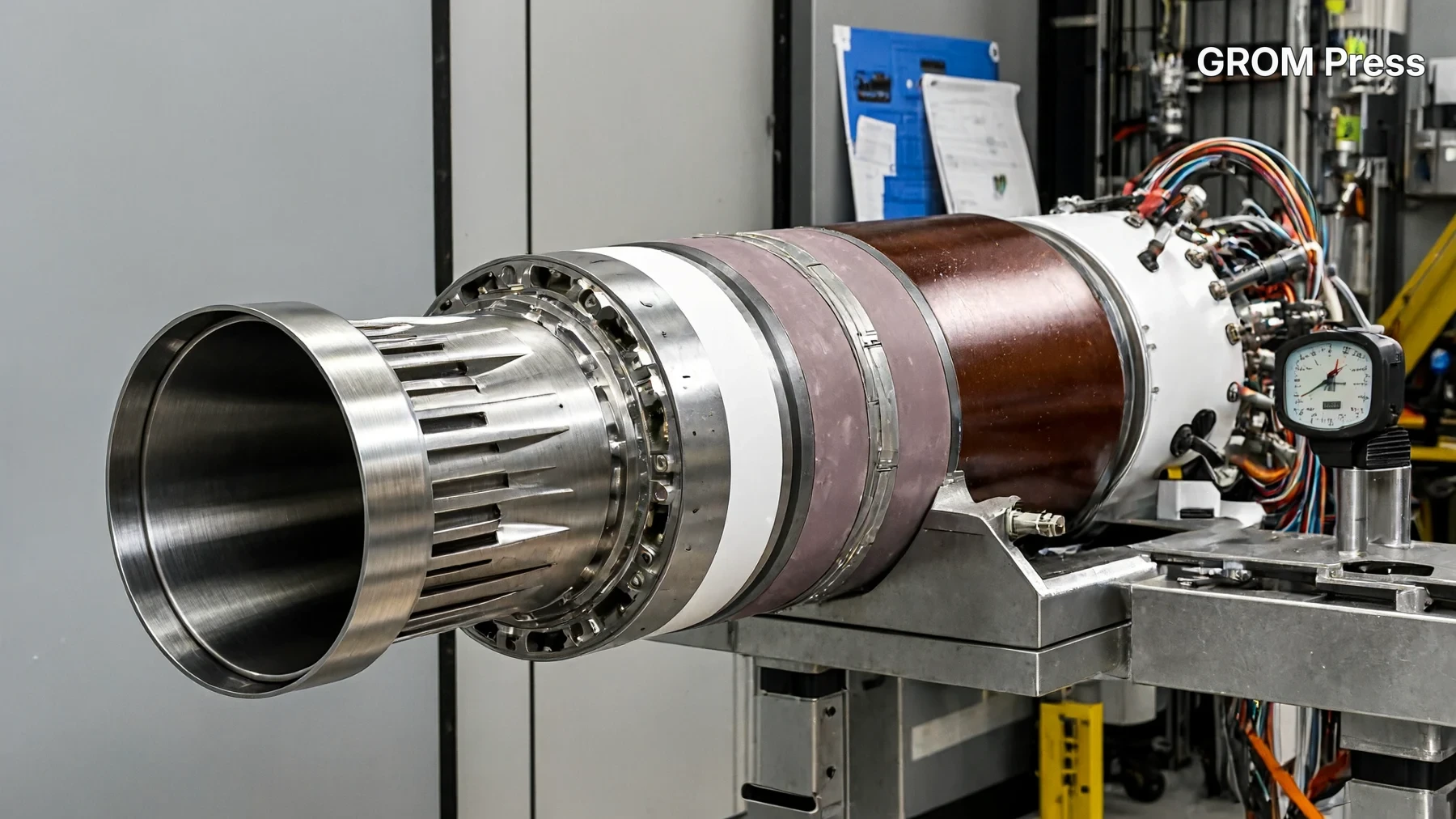
Ratlog, a Dresden-based startup in the Y Combinator autumn batch, says it wants to reduce rocket engine parts by nearly 90 percent and develop a heavy-lift vehicle comparable to Falcon 9 and Ariane 6. It received a €30,000 German government grant in April 2026, tested a first prototype in early September, and plans combustion-chamber hot-fire tests in November. No confirmed rocket specifications have been published, and the first launch remains unproven.
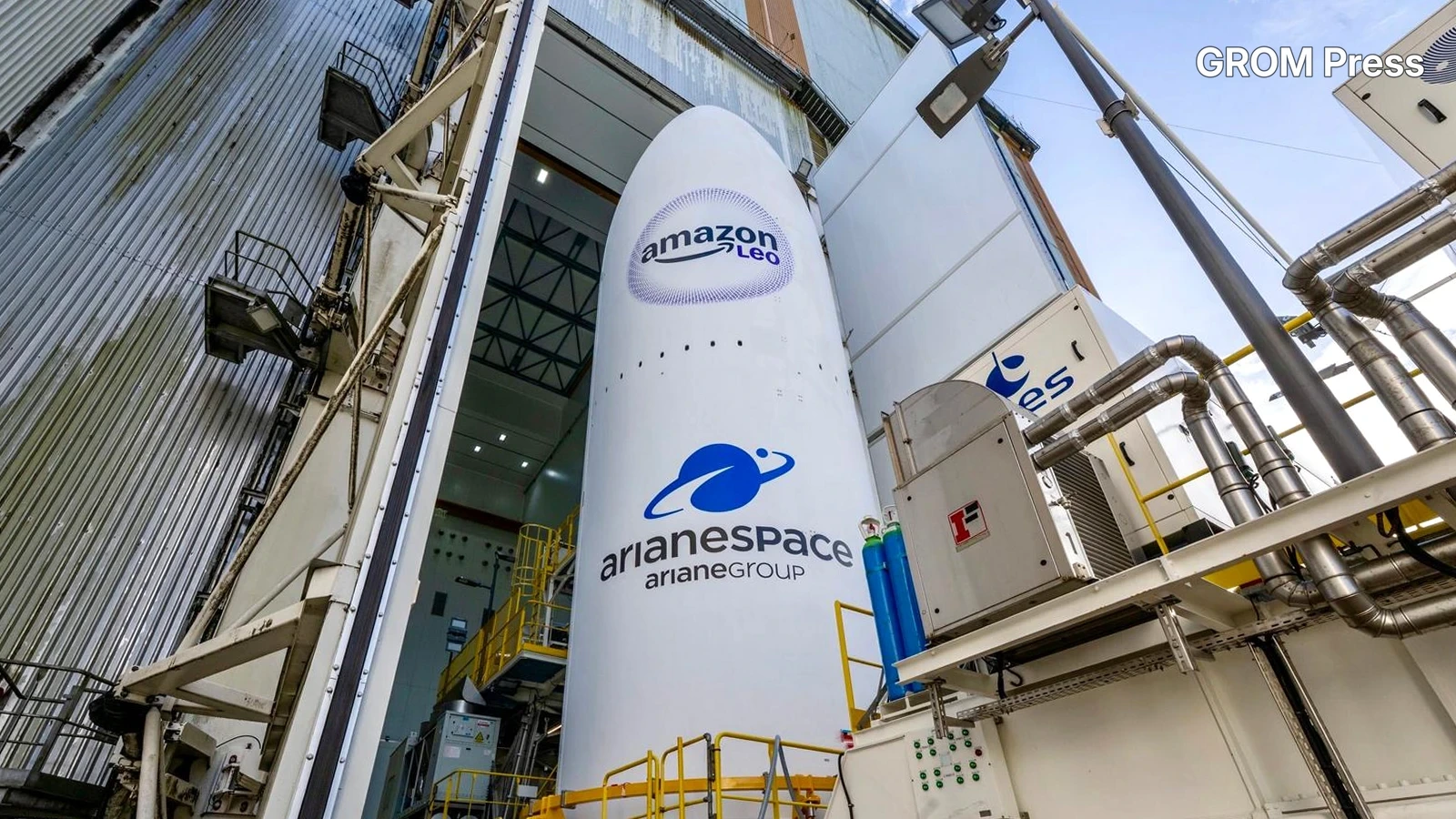
Arianespace plans to launch 36 Amazon Leo broadband satellites aboard the Ariane 64 rocket from Kourou, French Guiana, on 23 November 2026, with a launch window opening at 14:09 Moscow time. This follows the recent failure of a ULA Vulcan Centaur mission carrying 40 Amazon Leo satellites.
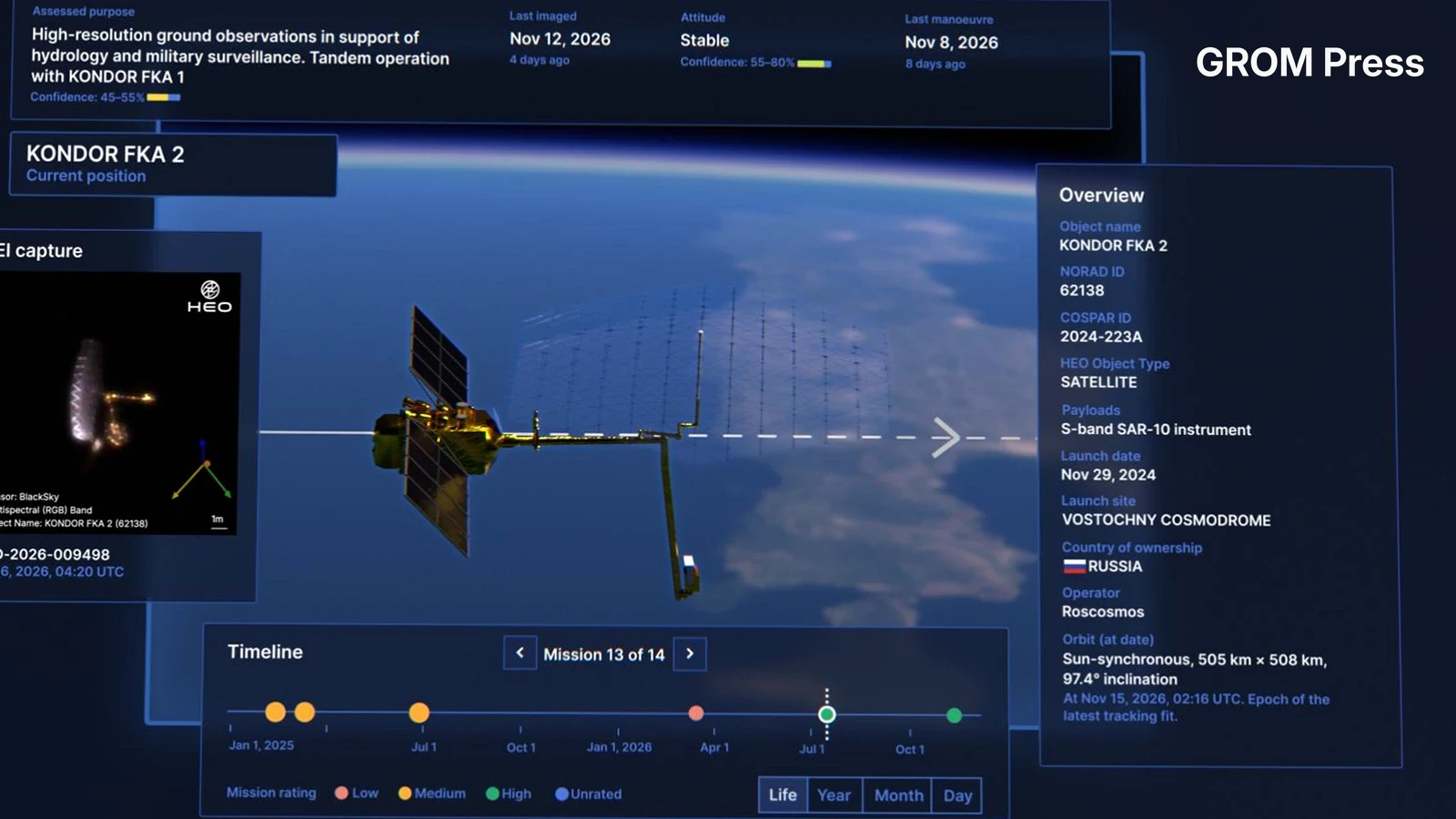
Australian company HEO has launched Insights Next, a 3D environment integrated into its HEO Inspect platform that combines satellite imagery, spatial data and orbital object information. The company says the system is based on more than 7,500 imaging missions covering 1,200 different spacecraft and is aimed at government, defence and satellite operators. For the interface illustration HEO used Russia's Kondor-FKA satellite.
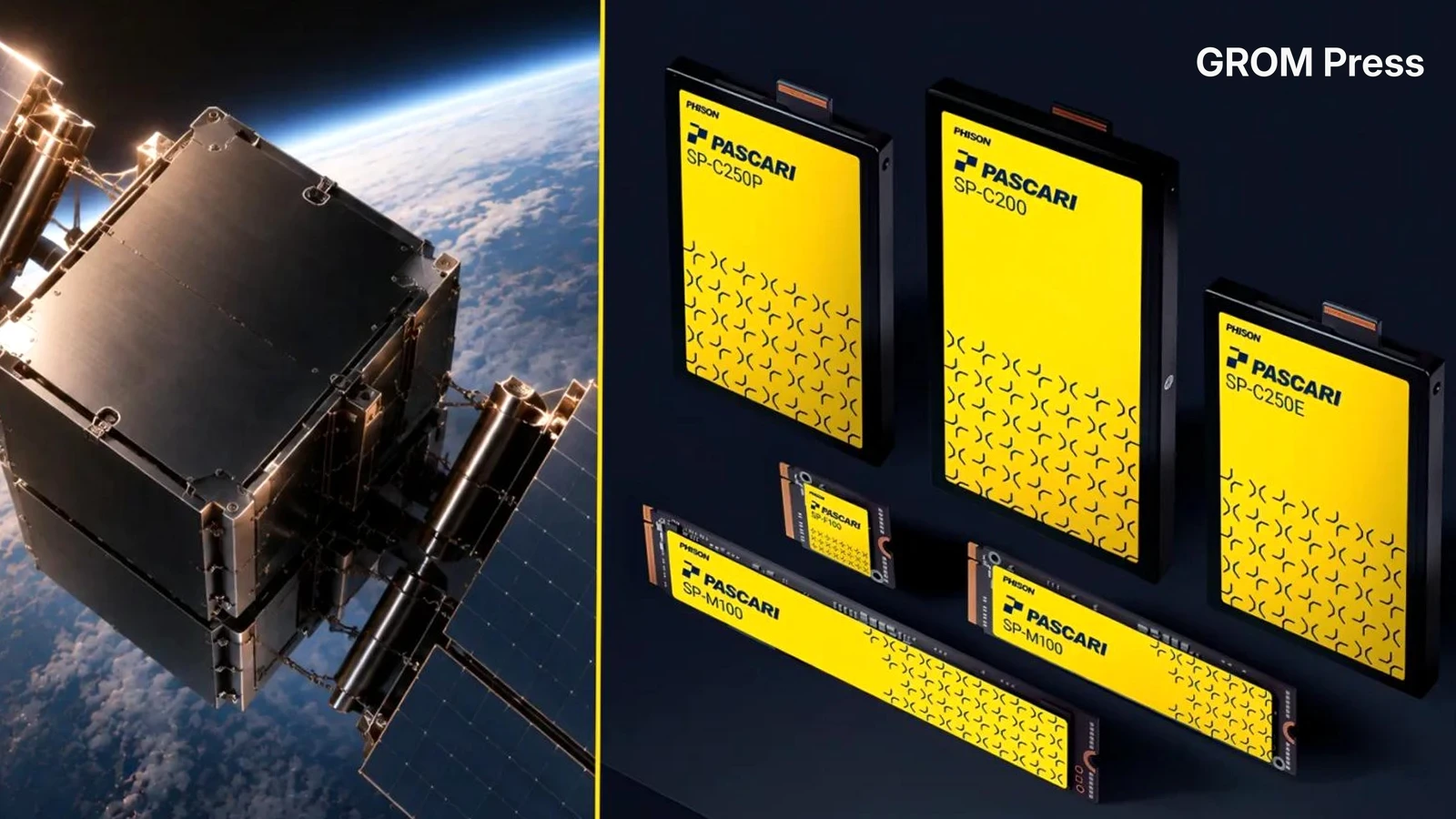
Phison announced its Pascari Space SSD series for spacecraft, satellites and orbital data centers. The drives will be used in Lonestar Data Holdings' StarVault-001 orbital data center, expected to launch in the first half of 2027. The station will receive a total of 488 TB of flash memory, of which about 370 TB will be available as usable capacity after deployment in low Earth orbit.
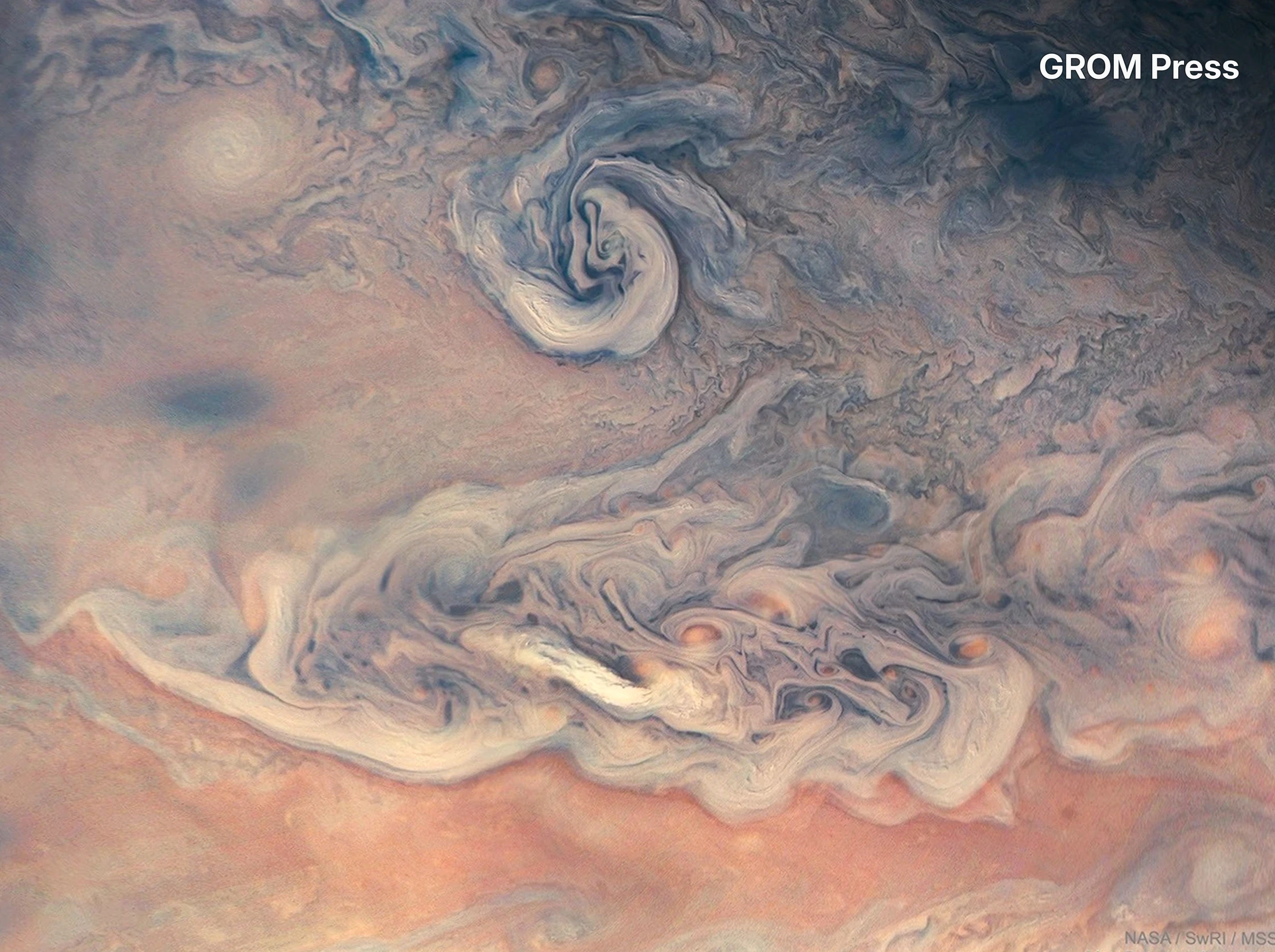
NASA’s Juno spacecraft captured a color-enhanced image of Jupiter during its 14th low pass in 2018. The image shows lighter clouds swirling around reddish regions and covering darker areas. Scientists say lighter clouds are typically higher than darker ones, but the trace molecules responsible for Jupiter’s colors remain uncertain, with ammonium hydrosulfide a leading candidate.
Atomic-6 reported that its Space Armor Lite composite tile stopped a 3 mm aluminium sphere fired at 7.2 km/s at Texas A&M University's hypervelocity impact laboratory. A ballistic dummy behind the tile showed no visible damage or penetration, and the tile's rear face had no bulging, cracks or spalling. A 4 mm solid aluminium plate under the same conditions failed, with fragments reaching the dummy. The company is considering the material for astronaut suits, but the test did not involve a suit, pressure system or human injury assessment.
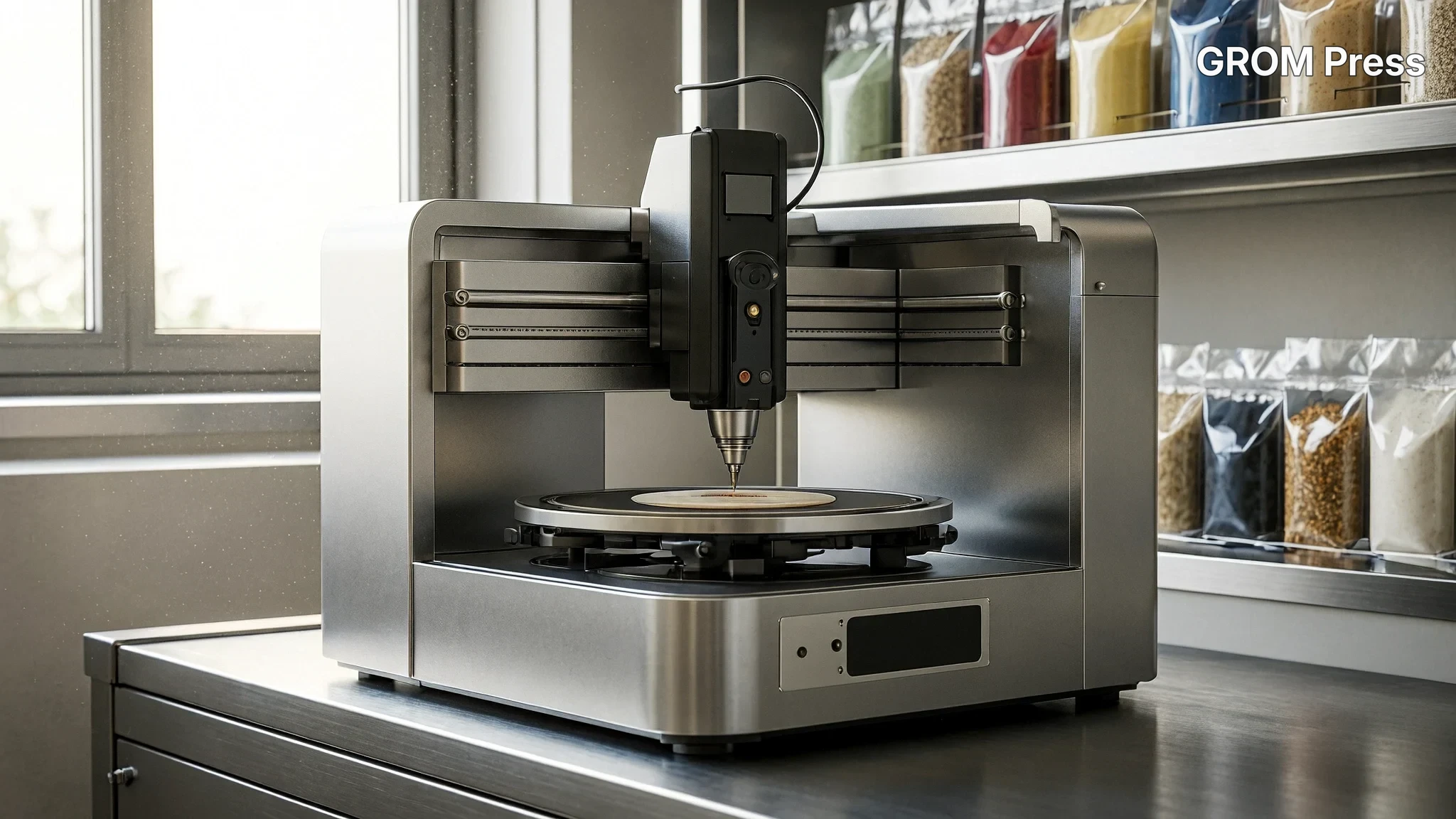
Russian specialists have started developing a concept for a 3D food printer intended for use aboard spacecraft and stations. The device must operate in zero gravity and use long-shelf-life ingredients without refrigeration. Testing is planned first on Earth, including in restaurants, before any space application is considered.
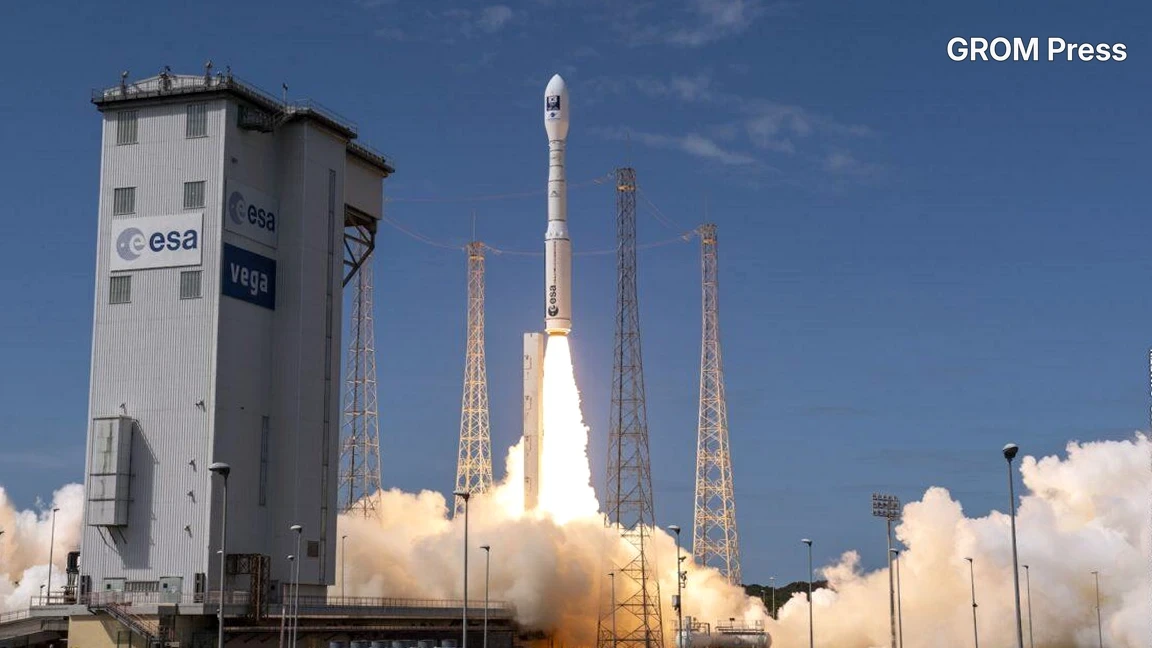
Finnish satellite manufacturer Iceye has offered more than $2.2 billion for Avio, the Italian producer of the Vega C rocket. Avio confirmed it received the proposal and its board is reviewing the terms. Iceye says the deal would strengthen European space independence by combining satellite production with launch capability. The company has built and launched 84 radar satellites and plans a low-orbit network with Nokia, aiming to launch 50 satellites per year from 2028. Vega C can carry up to 3.3 tonnes to low Earth orbit and has flown seven times successfully out of eight attempts since 2022.
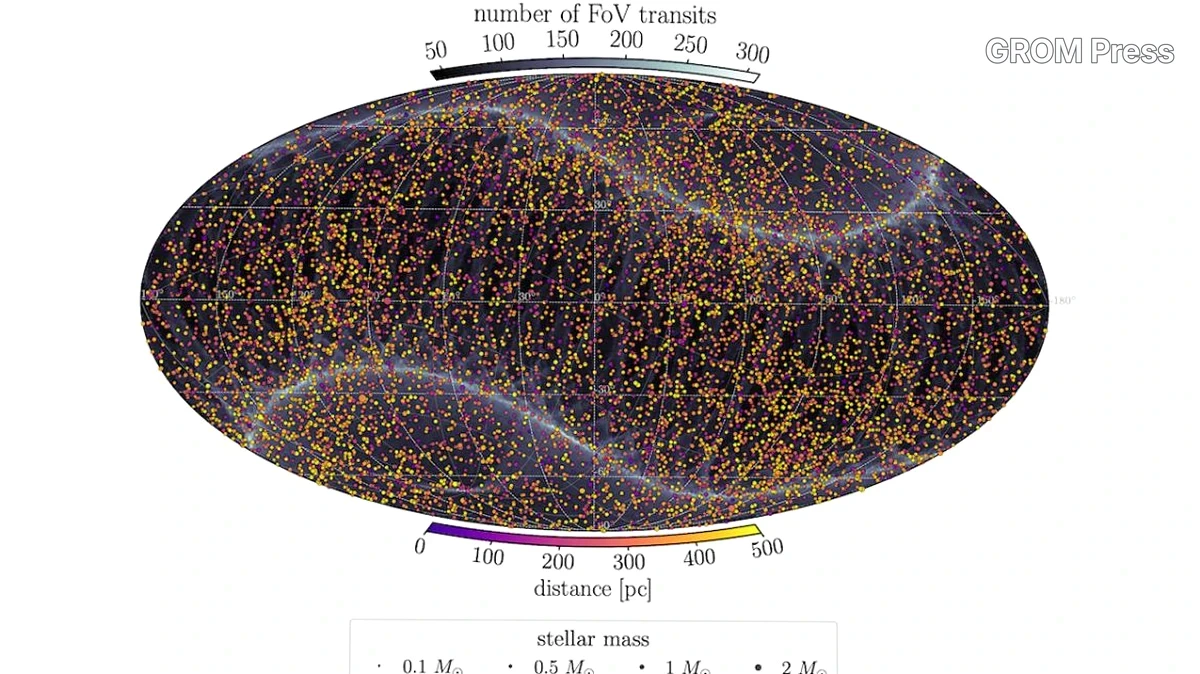
Astronomers have prepared the Epochalypse catalogue of 15,120,984 simulated systems to test methods for the upcoming Gaia DR4 release. The data suggest Gaia may detect many companions around stars but will often be unable to determine their orbital periods because the observation span of about 5.5 years is shorter than the orbital period. In one model, only 1,938 of 29,129 systems with a significant signal yielded precise period and mass estimates, while 27,191 showed a signal without full orbital characterisation.
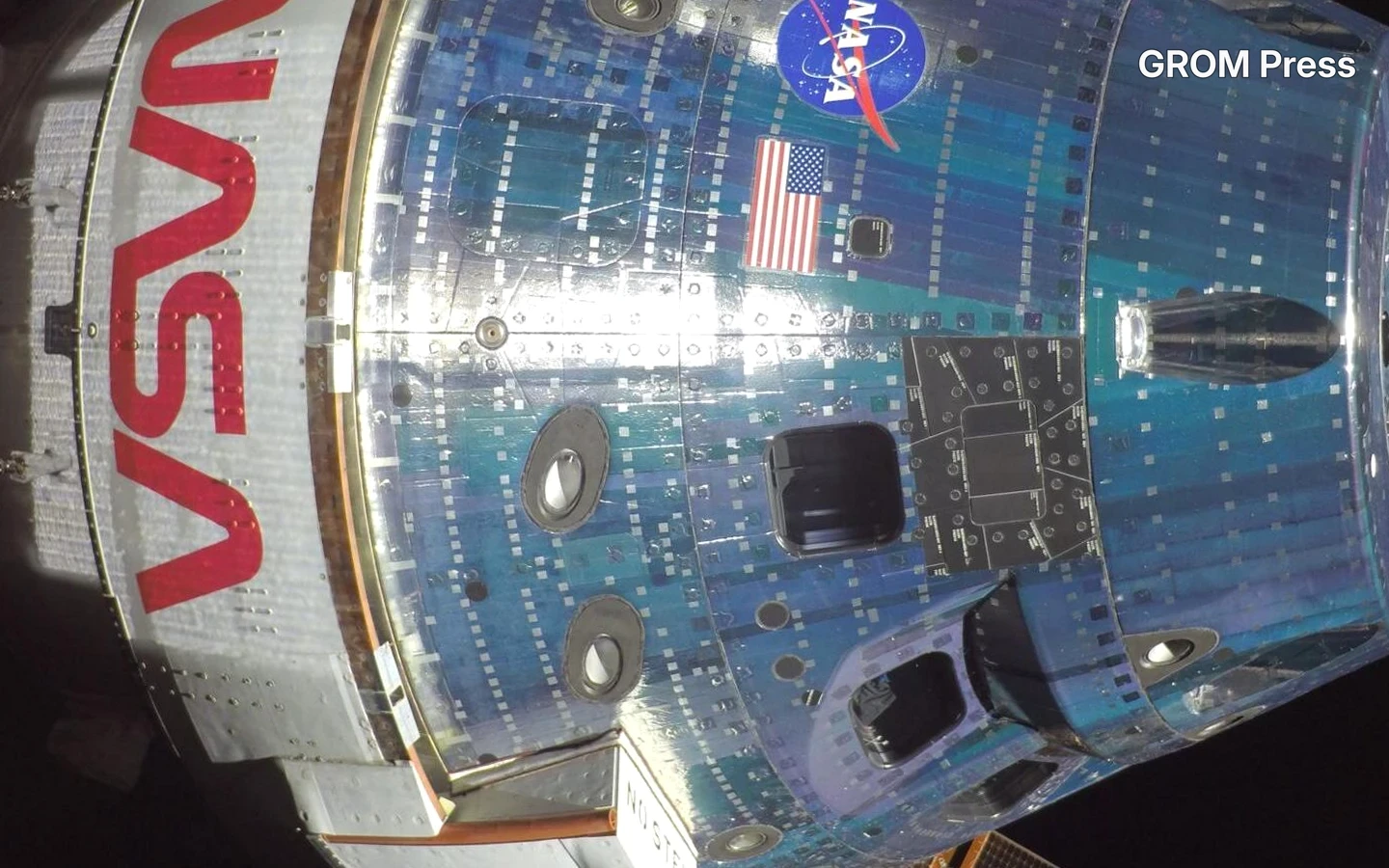
NASA has updated the Artemis architecture so Starship will dock with Orion in low Earth orbit and push the combined stack toward the Moon, subjecting Orion to acceleration in the opposite direction from its original design. ESA and Airbus must modify the service module propellant tanks to prevent fuel migration toward gas inlets under loads of 0.8-1 G instead of the planned 0.1-0.15 G. Orion will also spend more time in low Earth orbit for testing of overheating, electronics loads and debris collision risk.
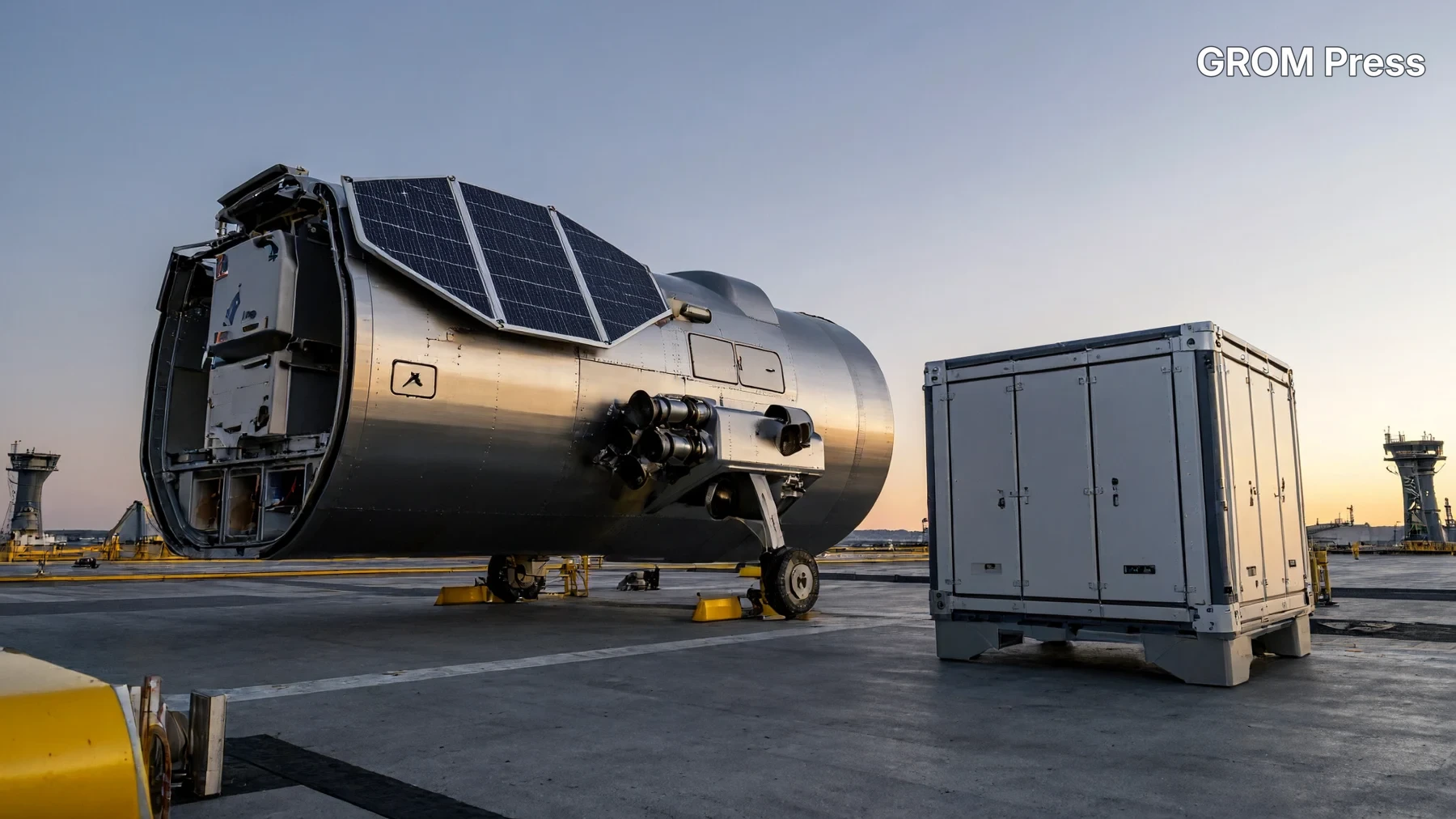
Space Cargo Unlimited and Thales Alenia Space are developing the reusable REV1 spacecraft for microgravity experiments and material production, with cargo return to Earth. It offers 1,200 litres of pressurised volume, 2.5 kW continuous power, and up to six months in orbit. First flight is planned for 2030. The company also plans to fly its BentoBox platform on a SpaceX Starfall vehicle no earlier than 2028.