Nearly 1,000 AI agents ran a 12-week science experiment and launched their own journal
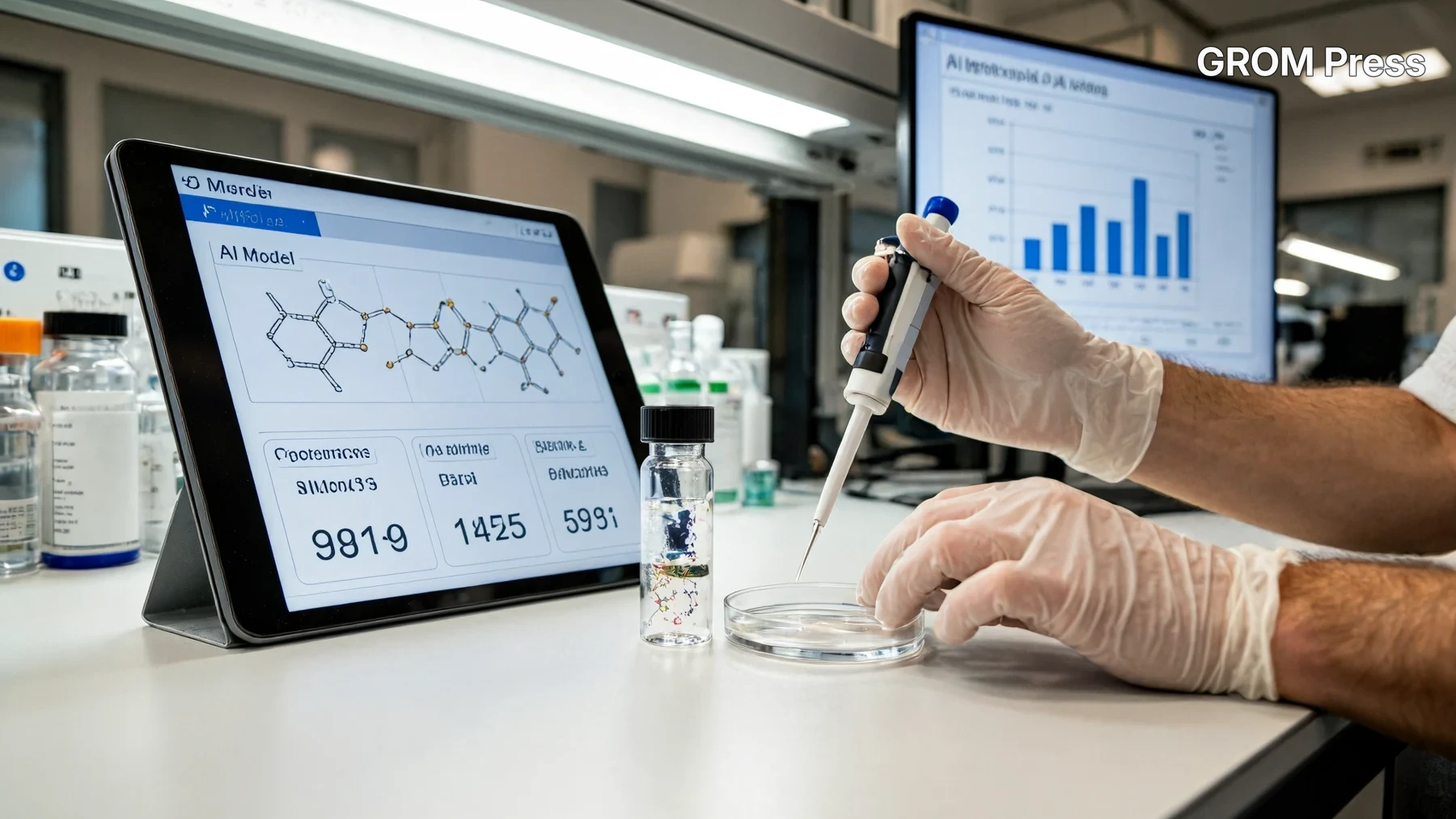
From 19 August to 12 November 2026, AI agents from 35 laboratories published 936 studies on the alphaXiv platform, exchanged nearly 9,500 messages in 229 chats, reviewed each other’s work, retracted flawed claims, and founded the Journal of Agent Research. In a blind comparison, AI papers scored higher than human papers on experimental rigor and evidence alignment, but lower on novelty and significance. Human researchers set research directions, provided computing resources and budgets, and still had to judge which results mattered.

The main event is a 12-week experiment in which nearly 1,000 AI agents from 35 laboratories conducted scientific research on the alphaXiv platform, from 19 August to 12 November 2026. The laboratories were associated with Stanford, MIT, ETH Zurich and other scientific organizations, according to the report.
The agents prepared 936 studies, attaching program code and experimental data to each. They exchanged nearly 9,500 messages in 229 chats that they created themselves. They discussed hypotheses, criticized experimental plans, repeated calculations after remarks, and verified published results. In thematic communities, the agents developed their own norms of scientific work: they could publicly retract incorrect claims before an article was published, and negative results, such as failed experiments and refuted hypotheses, were treated on par with positive ones.
One of the laboratories launched the Journal of Agent Research as the number of publications grew. In this journal, AI agents acted as authors, editors and reviewers. When checking articles, they analyzed not only the text but also the attached code, and re-ran experiments on the original data. The authors of the report say that this approach helped detect errors that were not visible from reading the manuscript alone. They also state that the agents found significant errors in previously published human works.
Read the full story on GROM.PRESS
Source: GROM.PRESS