Cybersecurity
One strong password instead of a hundred: my system
How I stopped inventing passwords, and why your head is a poor place to store them.
Security researchers reported that cybercriminals are using legitimate AI-powered penetration-testing tools such as Cairn to discover vulnerabilities and infiltrate servers. In at least one case, attackers prompted the AI to obtain shell access. The report does not name the affected server, the date of the intrusion, the zero-day vulnerability, or the identity of the attackers.
Sean Cairncross, the US national cyber director, is leaving his post in an agreed and non-conflictual transition coordinated with the White House. He took office in August 2025 and was confirmed by the Senate 59 to 35. The White House hopes to confirm a successor before January, when Congress is expected to switch to Democratic control.
Signal has introduced screenshot and screen-recording restrictions in its iOS and Android apps to prevent built-in AI assistants such as Siri and Google Gemini from accessing message contents. The measures apply by default on iOS 27 and activate on Android when an AI assistant attempts to read the screen. Signal President Meredith Whittaker said the move protects end-to-end encrypted conversations from being copied outside the app, though she acknowledged the block is not a complete solution and similar protection is not yet available on macOS.
The Security Affairs malware newsletter round 123 lists recent threats and research, including a new Rust RAT for Linux and macOS, a supply chain attack on a software developer’s infrastructure, a Linux cryptominer with zero GPU utilization, and an AI-powered marketplace that turns infected computers into searchable profiles.
The European Commission is investigating a cyberattack on its internal systems that lasted about 10 days and may have exposed a large volume of staff personal data. Several internal services, including payroll, working time and medical reimbursement systems, were taken offline. The Commission said it stopped most of the attack but has not determined how much data was compromised. Affected staff have been notified. CERT-EU reported that attackers used the publicly available AI tool ARTEX to search for vulnerabilities.
Honda and Toyota have announced a recall of about 1.6 million vehicles in the United States and other countries because of potentially dangerous Takata airbag inflators. Honda is recalling 810,592 vehicles, including Accord, Civic, CR-V, Acura ILX and RDX models from 2012 to 2013, sold or registered in 14 US states and territories. Toyota is recalling about 790,000 vehicles worldwide, including 314,000 in the United States, covering Lexus SC430, IS250, GX460, Corolla, Tundra, Sequoia and 4Runner models from various years between 2002 and 2017.
The Russian government is preparing a single mechanism for registering reports of telephone and internet fraud through the Gosuslugi portal, according to the source material. No date, implementing agency, penalties, or operational details were provided.
Kirsten Davies has been appointed National Cyber Director, according to a SecurityWeek headline. The item does not state who made the appointment, the date, or any details about her role, background, or priorities. The same briefing also lists separate appointments at Zifino and the US Department of Commerce, but provides no further information about them.
Werner Koch announced a critical security bug in GnuPG's GPGME library, affecting GPGME users including most email clients, most XMPP clients, Flatpak, Samba and other software. The announcement was made late on a Friday afternoon. No details about the vulnerability, its severity, affected versions, patches, or impact on users were provided in the supplied material.
Backblaze updated its privacy policy, prompting customer fears that personal data could be sold or shared. The company said it does not sell personal data and does not plan to, but acknowledged it may share data with service providers and partners. The update took effect on 15 September 2025, according to Backblaze's notice.
The supplied material is a SecurityWeek page with an author biography, newsletter and event announcements, executive appointments, expert quotes, and social sharing links. It does not contain any news about Amazon, China-linked hackers, AI agents, a medical software zero-day, or any related incident. Therefore no independent news event can be extracted from the source.
CISA added four vulnerabilities affecting Apache Roller, Cisco Expressway, SAP NetWeaver, and Broadcom VMware vCenter to its Known Exploited Vulnerabilities catalog, citing evidence of active exploitation. Federal civilian agencies must patch by November 23, 2026, under Binding Operational Directive 26-04. CISA did not attribute the SAP NetWeaver incident to a threat actor, while the VMware vCenter exploitation is linked to a suspected China-nexus espionage group, Armory Castle, which also used a patched BeyondTrust flaw.
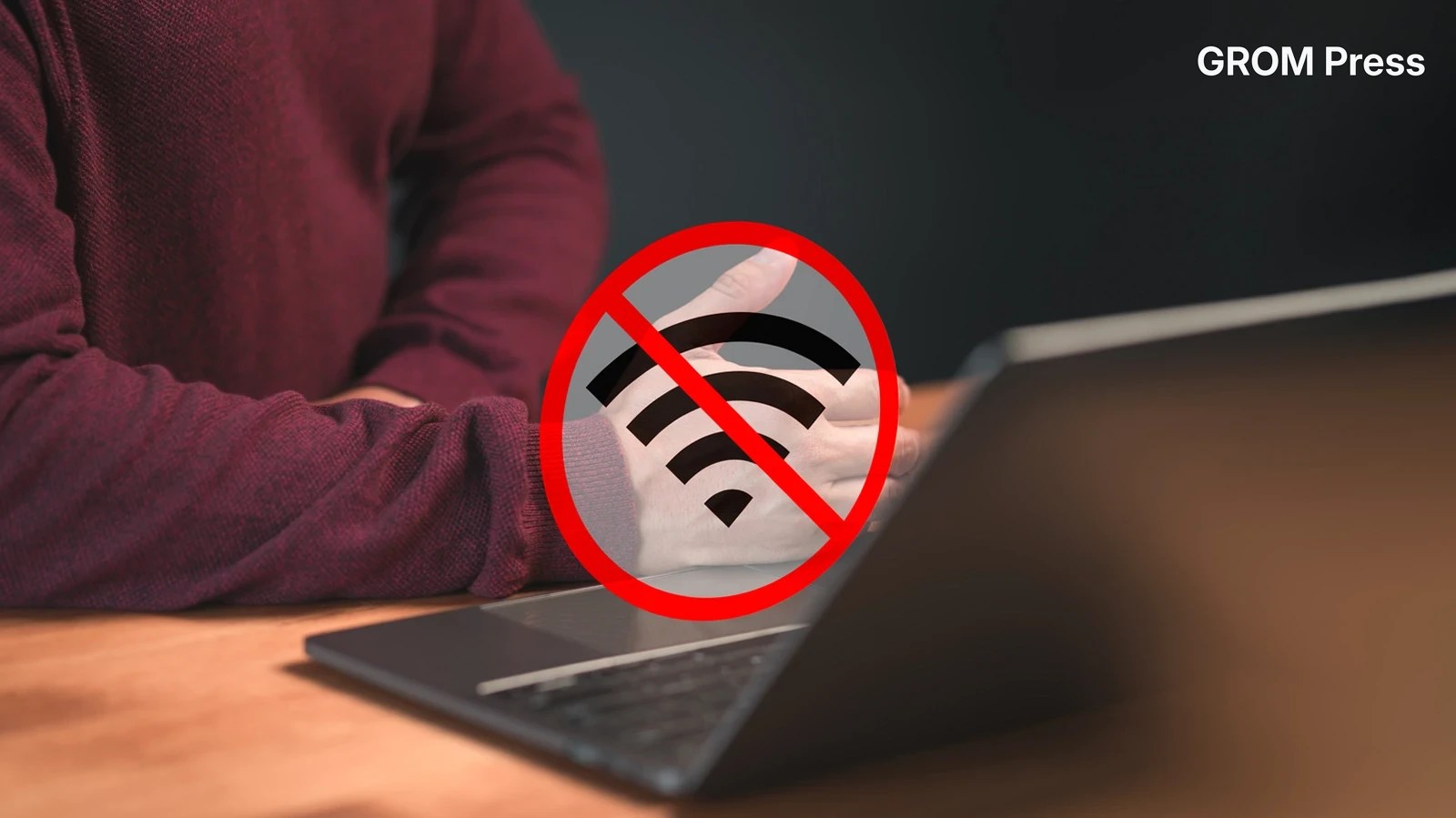
The article explains how to identify and block an unfamiliar device on a home network using the router app or browser interface, MAC addresses, and access-control settings. It also recommends changing the Wi-Fi password, updating the administrator password, using WPA2 or WPA3, enabling firmware updates, setting up a guest network, and reviewing the connected-device list regularly. It notes that hiding the SSID does not reliably stop intruders.
The article reports that cybersecurity leaders are treating clear, disciplined communication as a front-line defense capability across the enterprise, alongside tools, in areas including cloud security and AI. No specific event, date, country, organization, or statistics are provided.
The article compares encrypted DNS and VPNs as online privacy tools. Encrypted DNS hides DNS queries from ISPs and other observers, is often free, and has little effect on browsing speed. A VPN encrypts all device-to-internet traffic, masks the IP address, can help access geo-restricted content and improves security on public Wi-Fi, but may slow the connection and requires trusting the VPN provider. The piece concludes that a good VPN generally offers broader protection than encrypted DNS at the cost of some speed, while encrypted DNS is a low-downside option to keep enabled when available.
Journalists Christo Grozev and Bastian Obermayer, three Le Monde reporters and French MP Éric Bothorel reported phishing attempts in Signal linked to the group UNC5792, also known as Frontier Blizzard or Sentry Bear. Le Monde says the campaign began no later than mid-October and targets civil society in France and journalists in Europe. US authorities attribute the group to a special unit of the Russian FSB border service.
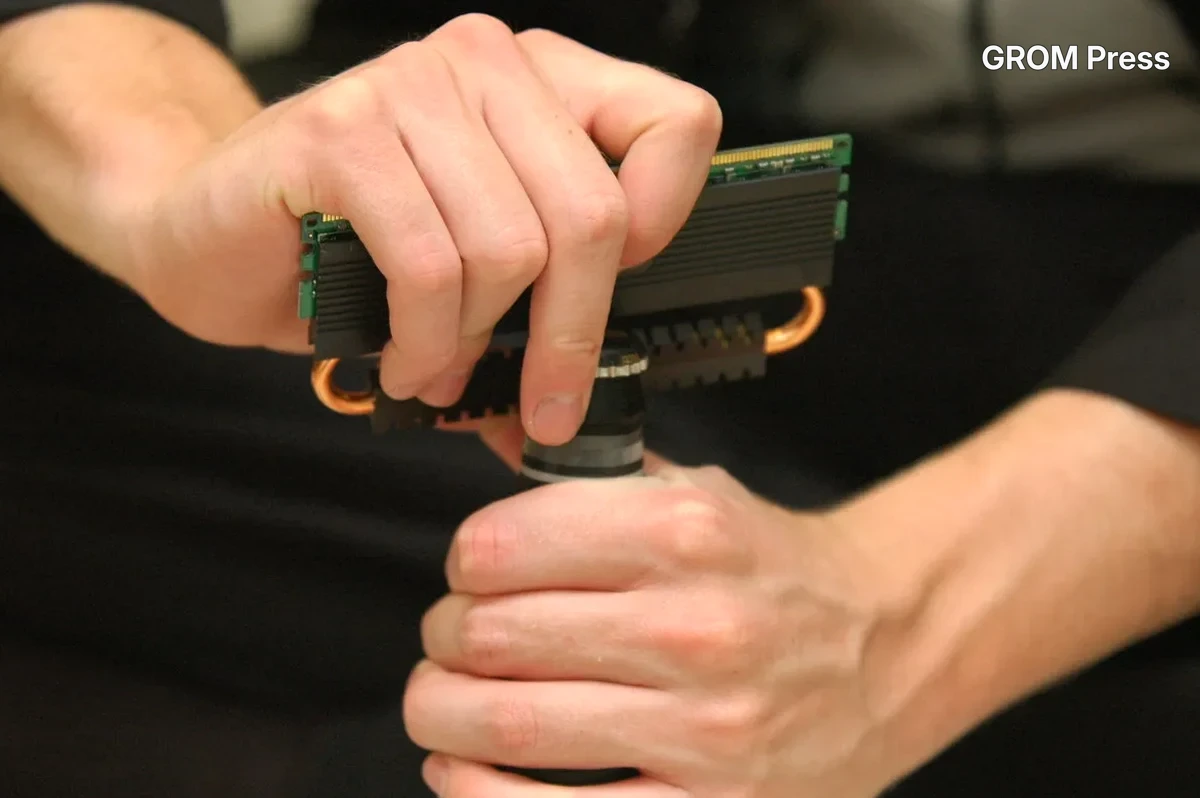
A patch for an old vulnerability in Linux KVM created a new flaw in AMD nested virtualization. An attacker who bought a virtual server gained access to 127 GB of the host's memory. The exploit used an error in the nested virtualization mechanism on AMD processors. The report does not state who discovered the flaw, when it was patched, or whether it is actively exploited.