NASA will fly Orion to the Moon backwards, requiring fuel system redesign
NASA has updated the Artemis architecture so Starship will dock with Orion in low Earth orbit and push the combined stack toward the Moon, subjecting Orion to acceleration in the opposite direction from its original design. ESA and Airbus must modify the service module propellant tanks to prevent fuel migration toward gas inlets under loads of 0.8-1 G instead of the planned 0.1-0.15 G. Orion will also spend more time in low Earth orbit for testing of overheating, electronics loads and debris collision risk.
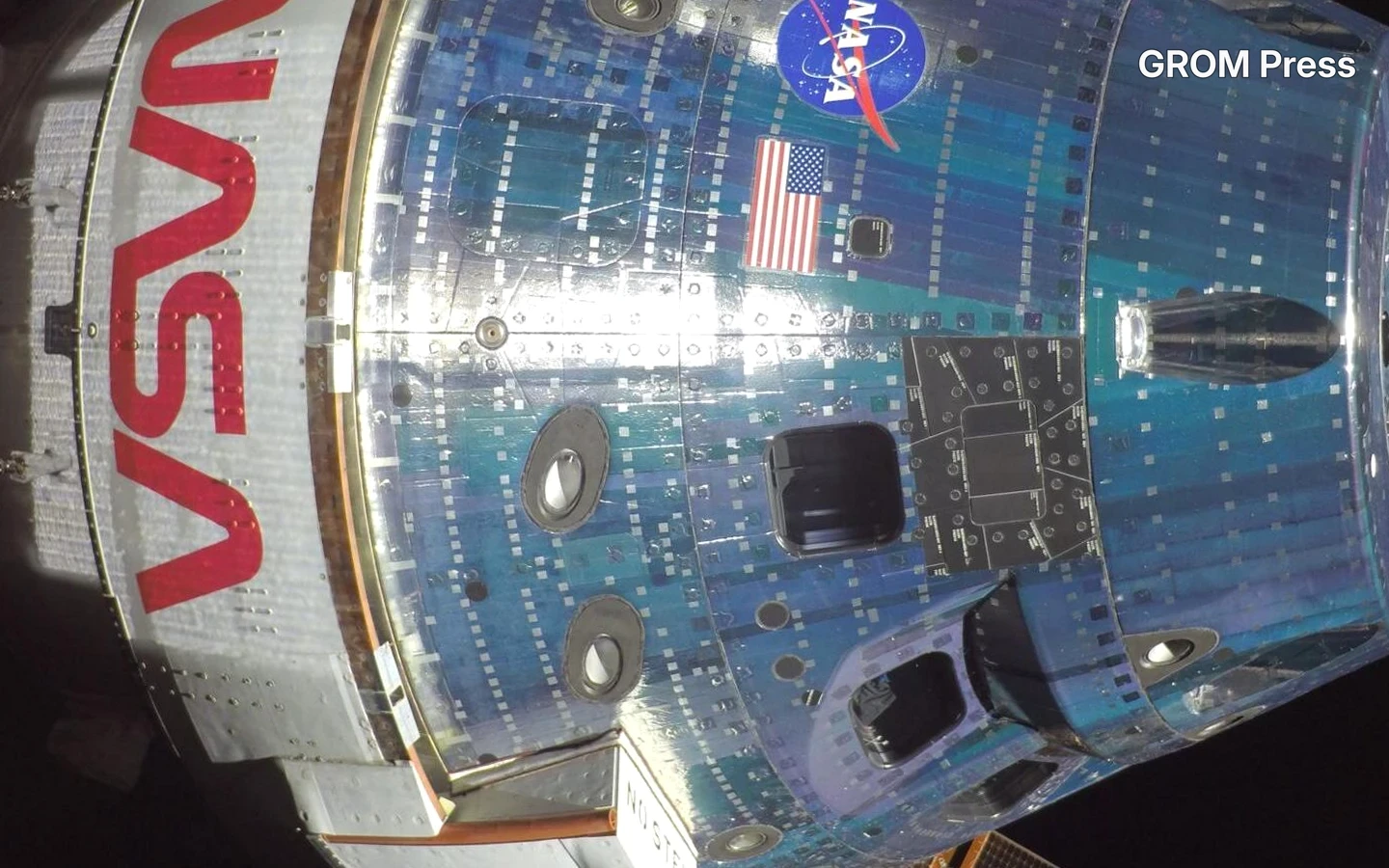
NASA has revised the Artemis lunar architecture. Under the updated plan, SpaceX Starship will be refueled in low Earth orbit, then dock with NASA’s Orion spacecraft and accelerate the combined vehicle toward the Moon. Once in lunar orbit, two of the four astronauts will transfer to a lander and descend to the surface. Blue Origin’s Blue Moon lander will be sent to the Moon separately using dedicated upper stages.
The new flight profile creates a major technical problem for Orion. The spacecraft, developed by Lockheed Martin, was not originally designed to fly in this configuration. On the way to the Moon it will be docked to Starship and pushed in the opposite direction, reversing the expected acceleration vector. Project assumptions called for loads of 0.1-0.15 G, but the new arrangement could expose Orion to 0.8-1 G. The European Space Agency and Airbus will have to modify the propellant tanks of Orion’s service module so that liquid fuel does not shift toward the gas inlets when the acceleration direction changes.
Read the full story on GROM.PRESS
Source: GROM.PRESS