Russian emigrant Alexandra Konopleva founded a Russian-language children's centre in Hanover after arriving in Germany as an au pair
Alexandra Konopleva, who moved to Germany nearly 14 years ago as an au pair, now runs the educational centre "Chemodan skazok" in Hanover, which serves more than a thousand children and adults a year. She also became a volunteer firefighter, joined Hanover's youth policy council, and obtained German citizenship this year while keeping her Russian passport.
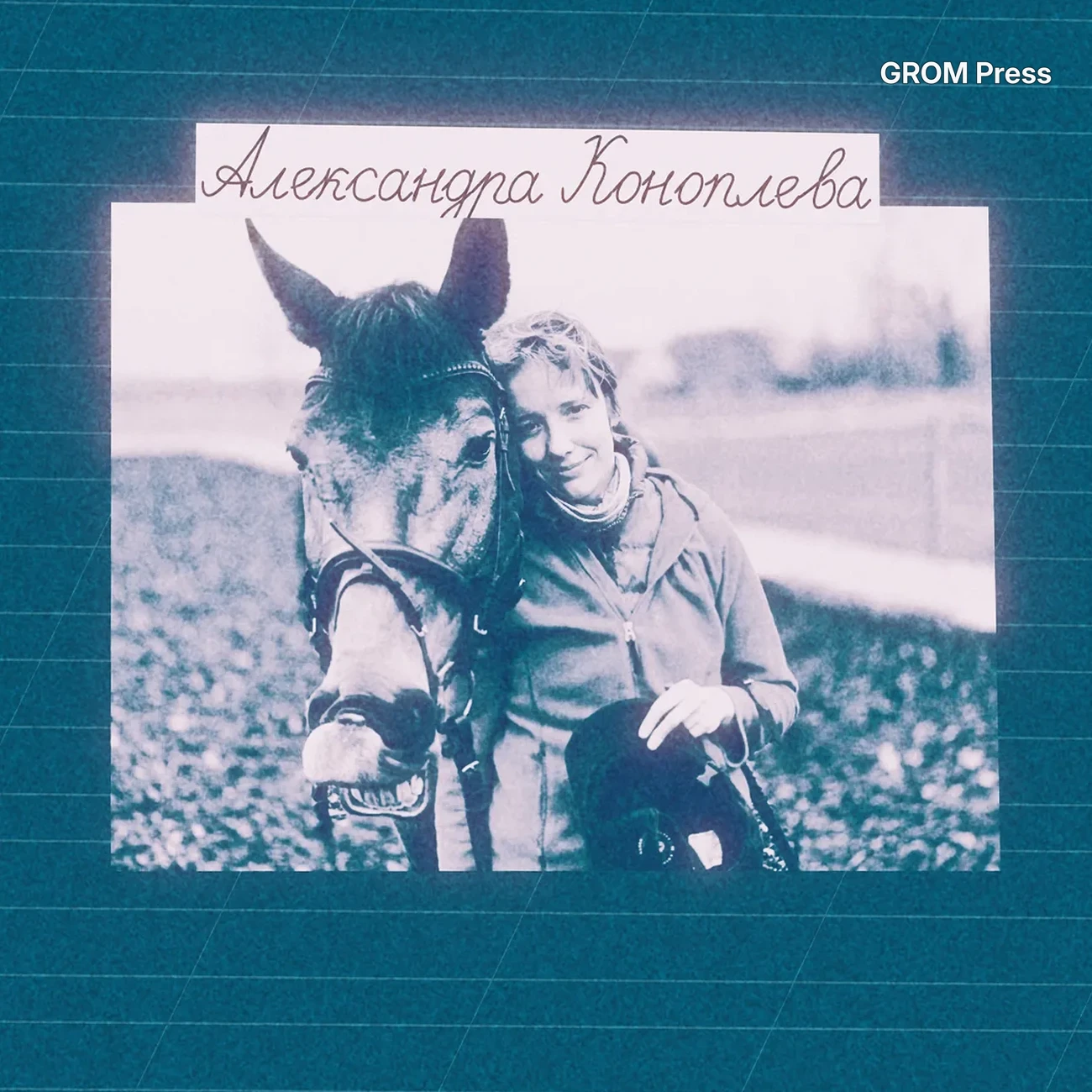
Alexandra Konopleva told an emigrant questionnaire that she moved to Germany almost 14 years ago through the Au Pair programme, initially planning to work as a nanny for one year, learn the language, and then decide whether to stay. She had previously worked with children in Russia as a social pedagogue and psychologist in kindergartens, schools, and summer camps. The host family in Lower Saxony released her from the arrangement, allowing her to remain in Germany. Because her visa was tied to nanny work, she could not take other official employment at first. She volunteered through the Bundesfreiwilligendienst programme, then gained admission to a master's programme in music pedagogy in Hildesheim despite very limited German. She passed a creative entrance exam by performing Scorpions' "Wind of Change" on guitar and nose flute, and was admitted with permission to submit a German language certificate by the end of the year. The master's programme gave her a student visa and later a work permit.
The idea for her non-governmental organisation emerged at the end of her first year in Germany, after she and her partner Polina ran a short-film workshop for children at a Russian-language family festival near Hameln. Families from Hanover told them the city lacked such activities. Konopleva said she noticed that children of Russian-speaking migrants often had no space for their second native language, even speaking German at home. This led to the founding of the educational centre "Chemodan skazok" in Hanover, where classes are held in Russian. In its first year, the centre offered filmmaking, an architecture camp, musical performances, and puppet theatre.
Konopleva said city authorities initially did not understand the project, arguing that migrants should integrate by speaking German. She and her team explained that maintaining a connection to one's culture and language helps children feel calmer and more stable. The centre is now open seven days a week. Toddlers attend in the morning, schoolchildren receive homework help and lunch, and evenings feature a theatre studio, media school, sewing workshop, and weekend masterclasses and camps. More than a thousand children and adults attend classes annually. The centre has the equivalent of two and a half full-time staff and relies on volunteers and part-time teachers who receive small payments. Konopleva said she constantly seeks grants and donations, and the centre currently accepts volunteers from other countries, including through the Bundesfreiwilligendienst programme.
Read the full story on GROM.PRESS
Source: GROM.PRESS