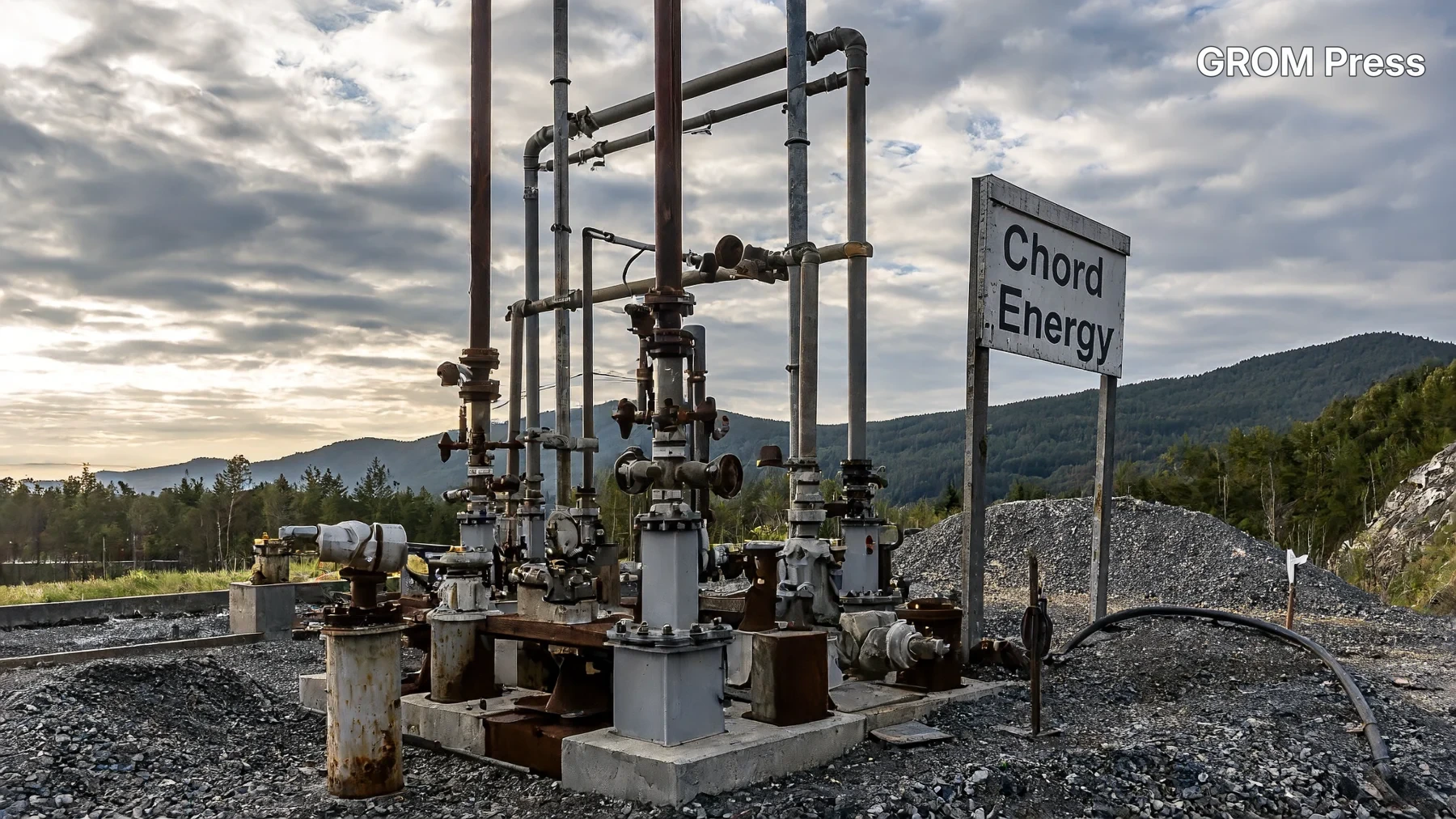
Dutch competition authority finds limited impact of petrol pricing algorithms
The Netherlands Authority for Consumers and Markets (ACM) has concluded that the use of pricing software by petrol station operators has a limited effect on the prices paid by motorists. More than half of station owners use rule-based price software, while less than ten percent use self-learning algorithms. The ACM found no structural increase in station margins since the outbreak of the war in Iran and attributed recent price increases mainly to higher refinery and oil production margins.
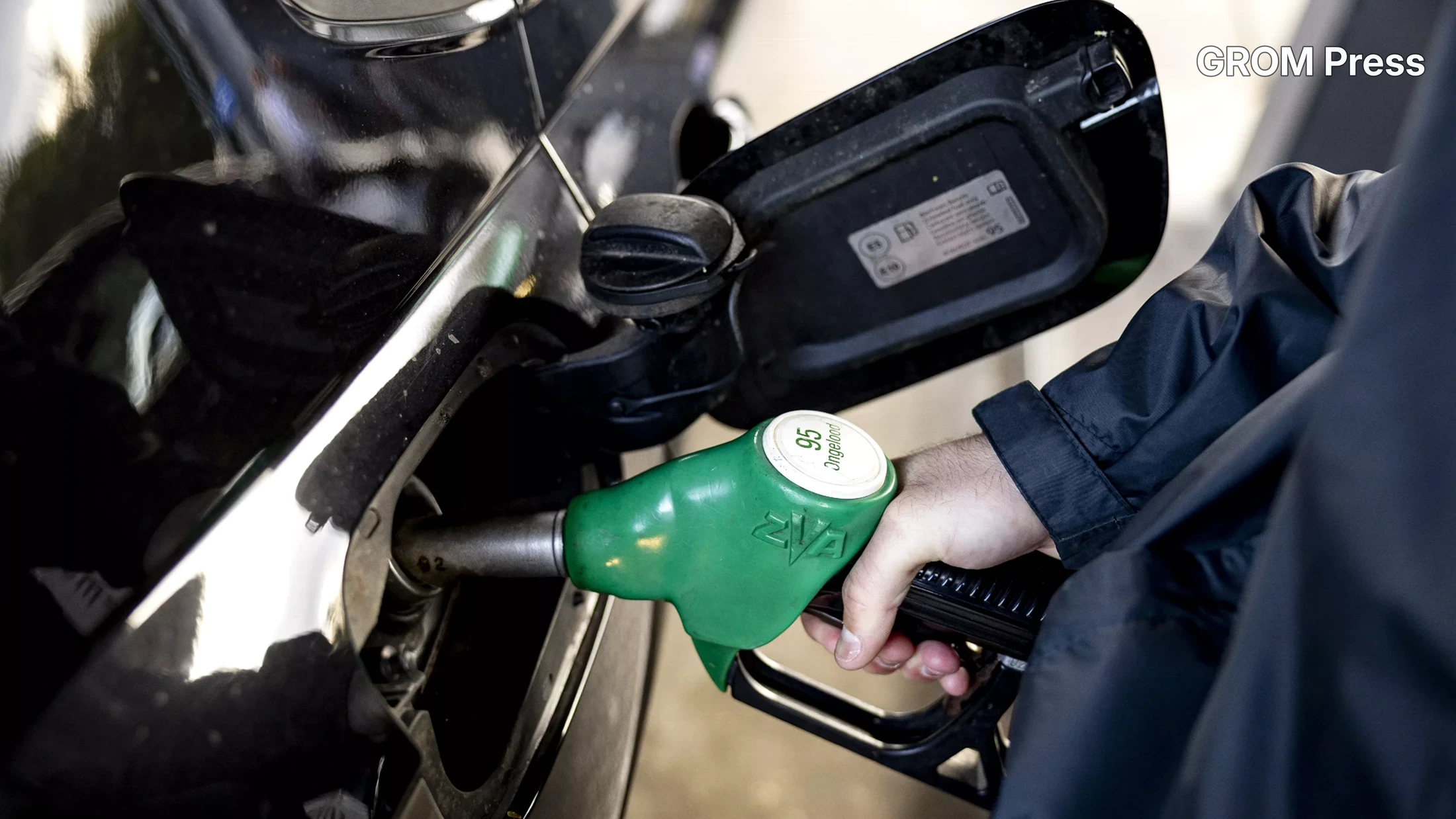
The Netherlands Authority for Consumers and Markets (ACM) has published the findings of its investigation into the use of pricing algorithms at petrol stations. The authority concluded that the use of algorithms by station operators does not lead to unnecessarily high petrol prices and that their influence on what motorists ultimately pay is limited.
The ACM identified two forms of pricing software used in the Netherlands. The first is a rule-based system that calculates the price per litre within pre-set limits and adjusts it directly at the pump. For example, a station owner can set in advance that the litre price may not deviate by more than a specified amount from the price of a nearby competitor. According to the ACM, more than half of petrol station owners use this type of software.
The second form is a more advanced self-learning algorithm that continuously searches for a way to sell as much petrol as possible at the highest possible profit. Less than ten percent of station owners use this system, the ACM reported.
Read the full story on GROM.PRESS
Source: GROM.PRESS